A sense of place is the feeling in a photo that tells viewers where it was taken and what it is like to be there. You create it by including clues that belong to that place: its landscape, architecture, light, weather, colours, signs, food, transport and people going about daily life. Mix wide establishing shots with mid-range scenes and close details, include people where you can do so respectfully, and wait for the light and moments that feel typical rather than generic.
Have you ever come home from a trip, looked through your photos and felt that something was missing? The pictures are sharp and well exposed, but they could have been taken almost anywhere. A street, a sunset, a plate of food. Nothing says “this place, and nowhere else”.
That missing ingredient is a sense of place. It is what makes a photo of a market feel like Marrakech rather than any market, or a quiet street feel like a particular village on a Sunday morning. It is one of the most valuable skills in travel, documentary and landscape photography, and it also works close to home.
This guide explains what a sense of place is, the kinds of clues that create it, how to build a set of photos that tells the story of a place, how to include people respectfully, and the common mistakes. There is a 10-minute exercise and an FAQ at the end.
What a sense of place means
A sense of place is the answer to two questions a viewer asks, often without realising it: “Where is this?” and “What is it like there?”
The first question is about facts: the city, the country, the type of landscape. The second is about feeling: busy or calm, hot or cold, old or new, rich or simple, joyful or melancholy. The best photos answer both.
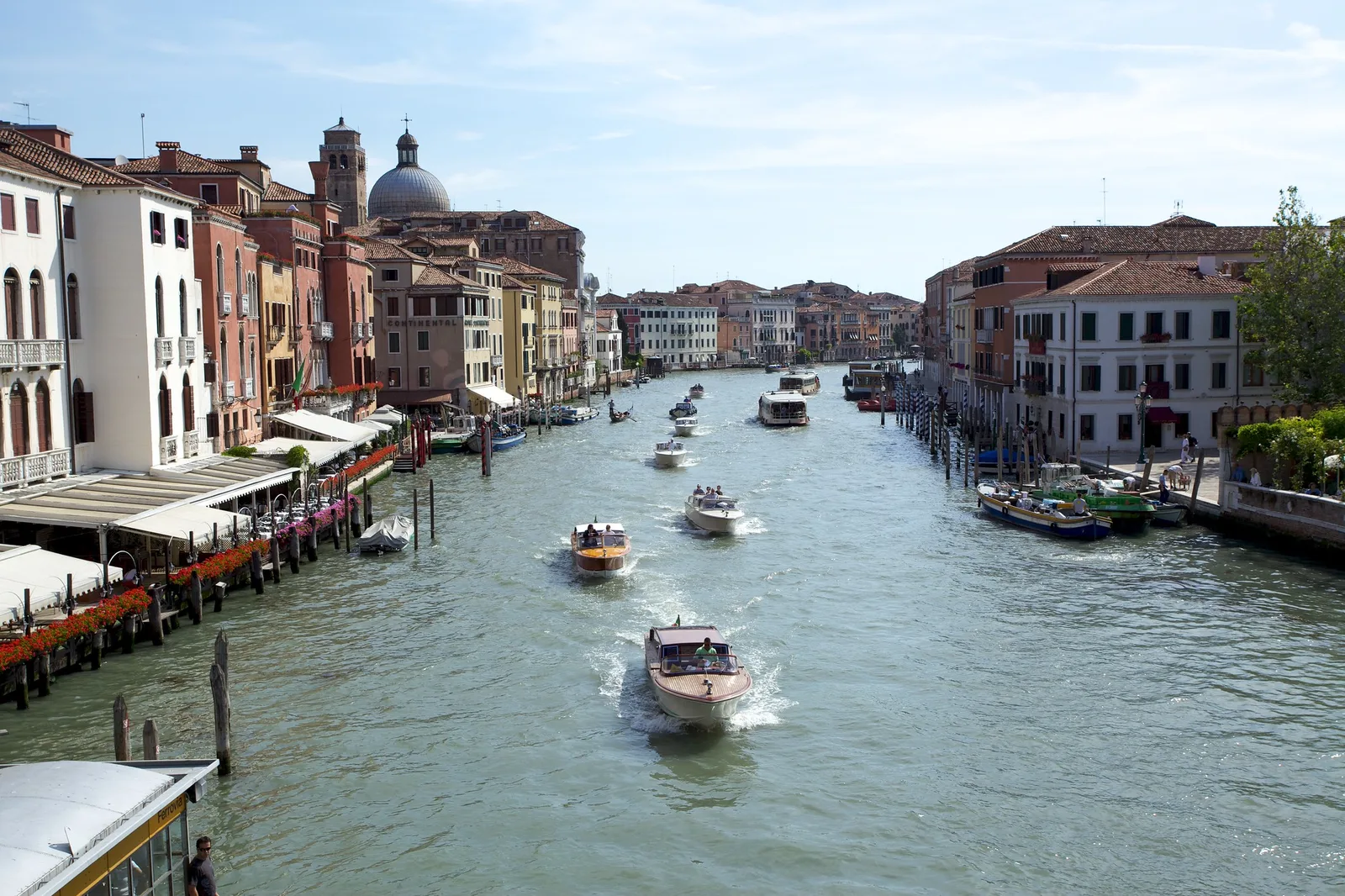
Look at the Venice photo at the top of this page. You do not need a caption. The water taxis, the canal instead of a road, and the old palaces lining the water all say Venice. The bright, hazy light and busy traffic on the water say something about what it feels like to be there.
Why it matters
- Memories. Photos with a strong sense of place bring back the feeling of being there, not just the sight.
- Storytelling. They let people who have never been there understand the place. The guide to visual storytelling explains how photos tell stories.
- Uniqueness. Generic photos look like stock images. Place-specific photos are yours.
- Respect. Showing a place as it really is, rather than as a cliché, is more honest and more interesting.
The clues that create a sense of place
Every place has its own visual vocabulary. Your job is to notice it and include it. Here are the main kinds of clues.
Landscape and terrain
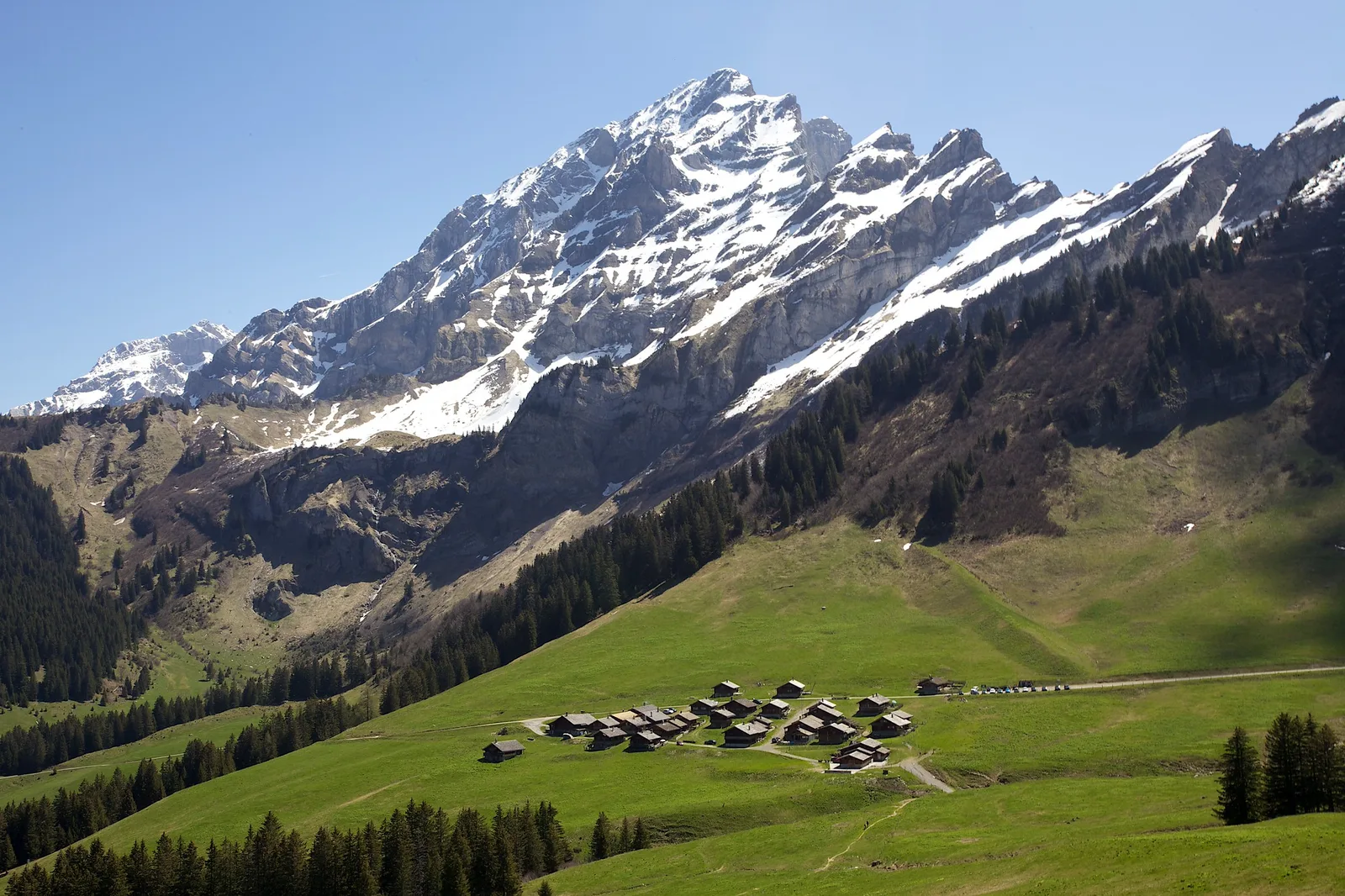
Mountains, deserts, flat farmland, rocky coasts and rainforest each say a lot about a place. In the Swiss village photo further down, the alpine meadows and the snowy peak behind the chalets leave no doubt about where you are.
Architecture
Building styles, materials and colours are strong clues: whitewashed walls and blue doors, red brick terraces, tiled facades, wooden chalets, glass towers. Even small details like door handles, window shutters and roof tiles say a lot.
Light and weather
Places have their own light. Desert light is harsh and bright. Northern winters are low and blue. Tropical afternoons bring heavy clouds and sudden storms. Coastal towns often have haze and soft light. Capturing the typical weather, even when it is grey or rainy, can be more truthful than waiting for perfect sunshine.
Colour
Some places have a colour palette you will recognise instantly: the ochres of a desert town, the pastels of a seaside village, the greens of a wet forest. Notice which colours repeat and let them lead your photos. The guide to colour in photography has more on using colour.
Signs, writing and symbols
Street signs, shop fronts, posters, menus and number plates instantly tell viewers where they are. Use them thoughtfully; a sign in the corner can do a lot of work without dominating the photo.
Transport
Gondolas, tuk-tuks, trams, yellow taxis, old cars, bicycles, ferries and camels all carry a strong sense of place.
Food and markets
Local food, street stalls and markets are full of colour, texture and activity. They show what people eat and how they shop, which says a lot about daily life.
People and daily life
People bring a place to life: a fisherman mending nets, commuters on a platform, children walking to school, a café owner opening up. They show how people live, work and relax there. See the section on photographing people respectfully below.
Sounds and smells, shown visually
You cannot photograph sound or smell, but you can suggest them: steam from a street food stall, a crowded bar, church bells, waves breaking, a musician playing. Viewers fill in the senses from what they see.
Wide, medium and close: building a set
One photo rarely tells the whole story of a place. Photographers often build a set using three kinds of shot, a method borrowed from film and documentary work.
Wide establishing shots
A wide view shows the setting: the skyline, the valley, the harbour, the whole street. It answers “where are we?” Use a wide-angle lens or step back, or find a high viewpoint like a hill, tower or bridge.
Medium scenes
Medium shots show life within the setting: a market stall with people shopping, a café terrace, a fishing boat coming in. They answer “what happens here?”
Close details
Details show texture and character: hands weighing spices, peeling paint on a door, a hand-written menu, worn steps, local fabrics. They answer “what does it feel like up close?”
Together, these three types create a rich, varied story. When you share or print photos from a trip, try mixing them in sequence: a wide shot to set the scene, a few medium shots, then details, then another wide shot. It feels like a journey.
How to find a place’s character
Research before you go
Look at photos, read about local customs, and check when markets, festivals and celebrations happen. Note the times of sunrise and sunset. The guide on preparing for a shoot in a place you have never been covers this.
Slow down
Sense of place comes from noticing, and noticing takes time. Sit in a café for an hour. Walk the same street at different times of day. Return to a spot you like when the light is better. The first impressions of a place are often its most obvious features; deeper character appears when you linger.
Ask what is typical
Ask yourself: what is normal here that would be unusual at home? Laundry strung between buildings, scooters parked everywhere, people swimming at dawn, siesta-quiet streets in the afternoon. Those everyday differences are often more telling than famous landmarks.
Look beyond the landmarks
Famous monuments do say where you are, but everyone has that photo. Show the landmark in a new way, from a side street, framed by a doorway, reflected in a puddle, or with local life in front of it. Or focus on the places tourists rarely photograph.
Go early and stay late
Early mornings show locals at work before crowds arrive. Evenings show how people relax. Both have better light than midday. The golden hour and blue hour guides explain the light.
Photographing people respectfully
People are often the heart of a sense of place, but they are not props. A few guidelines:
- Ask when you can. For close portraits, ask permission. A smile and a gesture toward your camera works across language barriers. The guide to street portraits covers how.
- Respect a no. Some people do not want to be photographed, sometimes for cultural or religious reasons.
- Know local customs. In some places photographing certain people, ceremonies or sites is not allowed or not polite.
- Be careful with children. Ask a parent, and think hard before sharing.
- Avoid exploiting poverty or hardship. Show dignity. Ask yourself whether you would be happy with someone photographing you in the same situation.
- Use distance and scale. Wide shots with small figures show people in their environment without singling anyone out.
- Give back. Buy something from the vendor you photographed, chat, or offer to send a copy.
The guide to environmental portraits shows how to photograph people within their surroundings, which is perfect for sense of place.
Composition tips for sense of place
- Include context. A tight portrait loses the place. Step back so the background says where you are.
- Use foreground clues. A local object in the foreground, such as a boat, a sign or a market basket, with the wider scene behind, connects detail and setting.
- Frame with local architecture. Arches, windows and doorways frame a scene and say something about the place at the same time. See framing in photography.
- Show scale. A person in a vast landscape or a tiny boat on a huge lake tells viewers about the size of a place.
- Keep it simple. Too many clues crammed in one frame feels chaotic. Pick the strongest ones.
Sense of place close to home
You do not need to travel far. Your own town has a sense of place that visitors notice and you have stopped seeing. Try photographing your neighbourhood as if you were a tourist:
- What makes your street different from the next one?
- What do locals do on weekend mornings?
- What happens in each season? Local weather is a powerful clue.
- Which shops, cafés and buildings have been there for decades?
Projects like these become more valuable over time. Places change, and photos of everyday life become a record of how it once was.
Telling the story when you share
A strong sense of place can be supported by how you share photos:
- Sequence the photos. Mix wide, medium and close shots.
- Write short captions. A sentence about what was happening adds depth.
- Edit consistently. A consistent colour and tone across a set helps it feel like one place, while staying true to the real light.
- Choose fewer, better photos. Ten strong photos tell a story better than a hundred similar ones.
The travel photography guide covers more on shooting and sharing trips.
Gear and settings
You do not need special equipment to capture a sense of place. A simple kit works best, because it lets you stay light, move around and notice things.
- A wide-angle or standard zoom. A wide-angle lens takes in streets, rooms and landscapes so the setting is visible around your subject.
- A short telephoto. A telephoto lens picks out details and distant moments without intruding, such as a fisherman on a far jetty.
- A phone. It is discreet, always with you, and less intimidating to people than a large camera.
Settings that help:
- Keep more in focus. For scenes where the background tells the story, use f/8 or so, so the setting is recognisable rather than a blur. The guide to depth of field explains how aperture controls this.
- Blur selectively. For details, a wider aperture can isolate a local object while still hinting at the place behind it.
- Use a fast enough shutter speed for street life, around 1/250 second for walking people.
- Shoot RAW if you can, so you can match colours to how the place really looked.
Scale is a powerful clue too. A small figure in a big landscape tells viewers how vast a place is. The guide to scale in photography shows how to use it. For long-term projects about a place and its people, the documentary photography guide goes further.
Common mistakes
- Only photographing landmarks. Everyone has the same shot. Include everyday life and details.
- Cropping out the context. Tight shots of faces or food lose the place. Step back sometimes.
- Waiting only for perfect weather. Rain, fog and grey skies can be the most honest version of a place.
- Treating people as props. Ask, respect a no, and show dignity.
- Rushing. Sense of place takes time to notice. Slow down and return to favourite spots.
- Over-editing. Heavy filters can turn a real place into a generic look. Keep colours true.
- Only wide shots. Without medium scenes and details, a set feels distant.
- Forgetting home. Your own town has a sense of place worth recording.
Try this: a 10-minute sense of place walk
Do this in your own neighbourhood, or on your next trip.
- Minute 1: Stand still and list five things you see that feel typical of this place.
- Minute 2 to 3: Take one wide photo that shows the setting.
- Minute 4 to 5: Take two medium photos showing life or activity.
- Minute 6 to 7: Take three close details: textures, signs, objects.
- Minute 8: Take one photo with a local clue in the foreground and the wider scene behind.
- Minute 9 to 10: Review. Arrange the photos in order, wide to close. Would someone who has never been there understand what it is like?
Frequently asked questions
What does sense of place mean in photography?
The feeling in a photo that shows where it was taken and what it is like to be there, created by clues such as landscape, architecture, light and daily life.
How do I show a sense of place in travel photos?
Include local clues, mix wide, medium and close shots, photograph everyday life as well as landmarks, and capture typical light and weather.
Do I need people in sense of place photos?
Not always, but people often bring a place to life. Photograph them respectfully, ask for close portraits, and use wider shots to show them in context.
What lens is best for sense of place?
A wide or normal lens for establishing shots and scenes, and a short telephoto for details and distant moments. A single zoom lens covers most needs.
Can I create a sense of place at home?
Yes. Photograph your neighbourhood as a visitor would, focusing on what makes it different and how it changes through the seasons.
Is it better to avoid famous landmarks?
No, but show them in a fresh way, with local life, framing or unusual viewpoints, and combine them with everyday scenes.
Heading on a trip and want more practical advice? Read the travel photography guide.
Want to show people within their surroundings? Try environmental portrait photography.