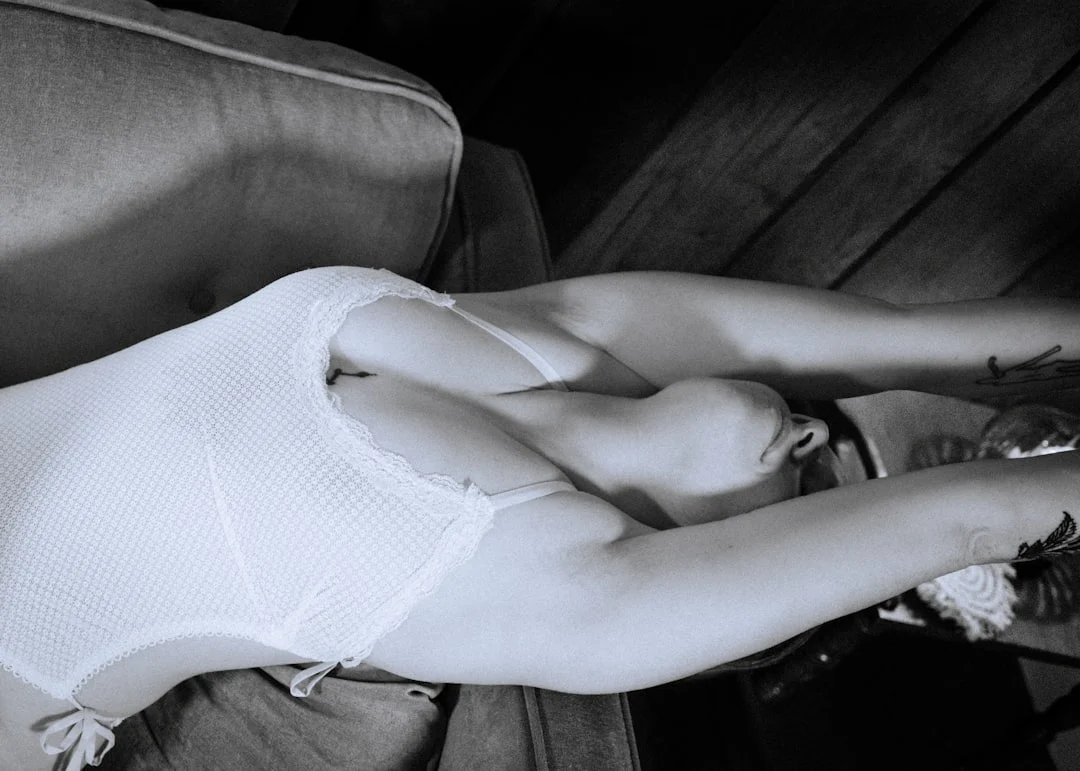
Boudoir photography is an intimate genre that celebrates confidence, beauty, and self-expression through carefully crafted images. It requires a unique blend of technical skill, interpersonal sensitivity, and artistic vision that sets it apart from other forms of portraiture. Unlike standard portrait sessions where the goal is a polished headshot or family photo, boudoir photography creates images that are personal, emotional, and often transformative for the client. A skilled boudoir photographer does more than take flattering photos. They build trust, create a safe environment, and guide their subject through poses that make them feel powerful and beautiful. This guide covers every aspect of the craft: client communication, studio setup, lighting techniques, camera settings, posing strategies, wardrobe guidance, editing workflow, and the business considerations that make boudoir photography both rewarding and profitable.
Understanding Boudoir Photography
Boudoir photography occupies a distinctive space in the photography world. The word “boudoir” comes from the French word for a woman’s private sitting room or dressing room, and the genre captures subjects in intimate settings that reflect personal beauty and vulnerability. While it is often associated with lingerie photography, the genre is much broader than that. Boudoir encompasses a wide range of styles, from soft and romantic to bold and editorial, and it serves diverse purposes: gifts for partners, personal milestones, body confidence celebrations, or simply a meaningful creative experience.
What makes boudoir photography unique among portrait photography genres is the emotional weight it carries. Clients are stepping far outside their comfort zones, and the photographer’s primary job is to create an experience that feels safe, empowering, and fun. Technical excellence matters, but the ability to connect with your client and direct them with confidence matters even more. The best boudoir photographers are part artist, part coach, and part therapist.
Client Communication and Consultation
Every successful boudoir session begins long before the camera comes out. The consultation process is where trust is built, expectations are set, and the creative direction is established. This pre-session communication is not optional. It is the foundation of every great boudoir experience.
The Initial Consultation
Schedule a consultation call or meeting with every client before the shoot. This conversation covers several critical topics: the client’s goals for the session (who the images are for, what mood they want), their comfort level with different styles of posing and wardrobe, any areas of their body they feel self-conscious about, and any physical limitations that affect posing. This information lets you plan lighting and angles that make them feel confident rather than exposed.
During the consultation, explain your entire process from start to finish. Walk through what happens on shoot day, how long the session takes, what they should bring, what the studio looks like, who will be present (ideally just the photographer, or a makeup artist at the beginning), and how the images will be delivered. Removing uncertainty reduces anxiety, and reduced anxiety leads to better photos.
Setting Boundaries and Expectations
Clear communication about boundaries is essential. Discuss what level of coverage the client is comfortable with, which images they consent to being used in your portfolio or marketing (always get this in writing through a model release form), and how the images will be stored and protected. Many boudoir clients are intensely private about their images, and your commitment to confidentiality should be explicit and absolute. A solid photography contract that addresses image usage, privacy, and deliverables protects both you and your client.
Wardrobe Guidance
Most clients need wardrobe guidance. Send a detailed preparation guide that includes suggestions for outfit types (lingerie, bodysuits, oversized shirts, robes, dresses, or whatever fits the planned style), tips on what fabrics and colors photograph well, grooming recommendations, and what to avoid (heavily patterned fabrics, brand logos, clothing that leaves temporary marks on skin). Recommend bringing 3-5 outfit options so you have variety to work with during the session. Neutral, solid colors and classic styles tend to photograph better and look more timeless than trendy pieces or bold patterns that can distract from the subject.
Creating the Right Environment
The shooting environment directly affects how your client feels, and how they feel directly affects how they look in the images. Every detail of the space should contribute to comfort and confidence.
Studio vs. Location Shoots
A dedicated studio gives you the most control over lighting, temperature, privacy, and atmosphere. The ideal boudoir studio has large windows for natural light, blackout curtains for when you want full lighting control, a comfortable bed or chaise lounge, neutral walls, and a private changing area with a full-length mirror. The space should feel warm and inviting, not clinical.
Location shoots in hotel rooms, luxury rentals, or the client’s own bedroom can add authenticity and variety. Hotels with large windows, white bedding, and elegant interiors work particularly well. The trade-off is less lighting control and more variables to manage. If you shoot on location, scout the space in advance (or ask for detailed photos) so you can plan your lighting and identify the best shooting angles.
Temperature and Comfort
Keep the shooting space warm. Clients in minimal clothing will get cold quickly, and a cold subject tenses up, gets goosebumps, and cannot relax into poses. Set the thermostat higher than you would normally find comfortable. 74-78 degrees Fahrenheit works for most people. Have a robe or blanket nearby so clients can cover up between outfit changes or during lighting adjustments. Play music that matches the mood of the session. A curated playlist eliminates awkward silence and helps the client relax into the experience.
Lighting for Boudoir Photography
Lighting is the most powerful tool in boudoir photography. It shapes the body, creates mood, and determines whether an image feels intimate and flattering or harsh and unflattering. Mastering both natural and artificial light gives you the flexibility to work in any space and create any mood.
Natural Light
Natural light from a large window is the classic boudoir lighting source and remains one of the most flattering options available. A north-facing window (in the northern hemisphere) provides soft, even, directional light throughout the day without harsh direct sun. South, east, or west-facing windows work well when diffused with sheer white curtains that soften the light and eliminate hard shadow edges.
Position your subject near the window, facing it at approximately a 45-degree angle. This creates a gentle gradient of light across the body that defines curves and creates dimension without harsh shadows. The side of the face and body closest to the window receives the most light, while the far side falls into soft shadow. This is the most universally flattering boudoir lighting setup, and it works with almost every body type and skin tone.
Want to see how far one window can take a portrait? Window light portraits covers window orientation, curtains and diffusion, reflectors and common setups.
To control the contrast, use a white reflector or foam board on the shadow side to bounce light back into the darker areas. Moving the reflector closer fills the shadows more; moving it away creates a more dramatic light ratio. For a moodier, more dramatic look, remove the reflector entirely and let the shadows go deeper.
Studio Lighting
When natural light is not available or you need more control, studio lighting opens up a wider range of looks. A single large softbox or strip box positioned at a 45-degree angle to the subject mimics the quality of window light with complete control over intensity and direction. This is the workhorse setup for boudoir photography and the one to master first.
Want the one-light and two-light setups laid out? Studio lighting setup covers one, two and three light setups and lighting ratios.
A beauty dish creates slightly more contrast than a softbox, with a distinct quality that works well for edgier, more editorial boudoir styles. Positioned above and in front of the subject at a 45-degree downward angle, it creates glamorous lighting with defined cheekbone shadows.
Backlighting creates a dramatic rim of light around the subject’s outline, separating them from the background and adding a luminous quality to the edges of hair and skin. Position a light behind and above the subject, aimed toward the camera, with your main light providing fill from the front. This two-light setup creates images with depth and dimension that feel cinematic.
For a high-key look with minimal shadows, use two large softboxes flanking the subject plus a background light to blow out the backdrop to pure white. This style is bright, airy, and contemporary. For a low-key, dramatic look, use a single small modifier (like a strip box or gridded softbox) with no fill, letting the shadows go completely dark. Both extremes work beautifully in boudoir, and most sessions blend several lighting setups for variety.
Camera Settings for Boudoir Photography
Your camera settings in boudoir photography should prioritize flattering skin rendering, appropriate depth of field, and accurate skin tones. Here are the recommended settings for the most common scenarios.
Aperture: Shoot between f/1.8 and f/4 for most boudoir work. Wide apertures create a shallow depth of field that keeps the subject sharp while softening the background and foreground, which adds an intimate, dreamy quality to the images. An 85mm lens at f/2 is a classic boudoir combination that produces gorgeous subject separation with smooth background blur. For full-body shots where you want more in focus, stop down to f/4 or f/5.6.
Shutter speed: Maintain a shutter speed of at least 1/125s to freeze any subtle movement. If you are shooting with natural light and the room is dim, you may need to open up your aperture wider or increase ISO slightly. Slower shutter speeds risk motion blur, especially during poses that require the client to hold an uncomfortable position. With studio strobes, your shutter speed will typically be at your camera’s flash sync speed (usually 1/160s to 1/250s).
ISO: Keep your ISO as low as possible for the cleanest skin tones. In a well-lit studio, ISO 100-400 is typical. With natural light in a dimmer room, you may need ISO 800-1600. Modern cameras handle higher ISO values well, but noise in skin tones is more noticeable and harder to clean up than noise in other genres. Prioritize a clean file over pushing settings to extremes.
White balance: Accurate white balance is critical for natural-looking skin tones. Use a gray card to set custom white balance for your specific lighting environment, or shoot in RAW and adjust in post. Avoid auto white balance if your lighting is mixed, as it can shift unpredictably between frames. Warm skin tones generally look more flattering than cool ones, so a slight warm bias is preferable to neutral or cool rendering.
Focus: Use single-point autofocus and place the focus point on the nearest eye. Eye contact is powerful in boudoir photography, and tack-sharp eyes are essential. When shooting at wide apertures like f/1.8 or f/2, depth of field is extremely thin, so precise focus placement is critical. If your camera has eye-detection autofocus, use it.
Essential Gear for Boudoir Photography
Boudoir photography does not require an enormous gear collection. A focused kit of reliable tools serves you better than a mountain of equipment that slows you down and overwhelms your client.
Camera and Lenses
A full-frame mirrorless or DSLR camera with good high-ISO performance and accurate autofocus is ideal. The most important lens for boudoir photography is a fast 85mm prime (f/1.4 or f/1.8). This focal length flatters facial features, provides natural perspective, and creates beautiful background separation. A 50mm prime is a versatile second lens for wider compositions and smaller spaces. A 35mm prime is useful for environmental shots that include more of the room, but use it carefully as wider focal lengths can distort body proportions at close distances.
Lighting Equipment
At minimum, bring one large softbox or strip box and a reflector. A second light (speedlight or strobe) adds versatility for rim lighting and hair lights. Light stands, sandbags for stability, and a variety of modifiers (softbox, strip box, beauty dish, reflector) let you create different looks throughout a session without lengthy setup changes.
Props and Accessories
Keep props minimal and purposeful. A textured throw blanket, a chair or stool, a full-length mirror, fresh flowers, and a few decorative pillows provide variety without cluttering the frame. The bed or chaise lounge is your primary “prop” and should have clean, neutral-colored linens. Avoid themed props or heavy styling that dates the images quickly. Classic and simple produces timeless results.
Posing Techniques
Posing is where boudoir photography succeeds or fails. Most clients have never been in front of a professional camera, let alone in a boudoir context. They need confident, specific direction. Vague instructions like “look sexy” create anxiety. Clear, physical instructions like “shift your weight to your back hip, drop your front shoulder slightly, and look down toward your left hand” create results.
Looking for more poses and ways to direct them? Portrait posing guide covers posing principles, individual poses and communication tips for directing non-models.
Foundational Posing Principles
Create angles and curves. Straight lines and squared shoulders look rigid and unflattering. Have the subject bend joints, angle the hips, arch the back gently, and create S-curves with the body. Every pose should have at least one bent limb and one angled line.
Elongate the body. Pointed toes, extended necks, and stretched limbs create the appearance of length and elegance. Have subjects push their chin slightly forward and down to define the jawline. Hands should be soft and relaxed, never clenched or stiff.
Use the hands deliberately. Hands are one of the hardest elements to pose well. Give them something to do: running through hair, resting lightly on the collarbone, touching the face, or holding the edge of a garment. Avoid hands pressed flat against the body or gripping clothing tightly, which looks tense.
Work the camera angle. Small changes in camera height dramatically affect how the body looks. Shooting from slightly above slims the midsection and emphasizes the face. Shooting at body level creates a more fashion-editorial feel. Shooting from slightly below elongates the legs and creates a powerful, commanding look. Move around your subject constantly and shoot from multiple angles for every pose.
Poses by Location in the Room
On the bed: Lying on the stomach propped up on elbows, lying on the back with legs drawn up, sitting on the edge of the bed leaning forward, kneeling on the bed looking over the shoulder. The bed offers dozens of variations and is the most versatile surface for boudoir posing.
Standing: Leaning against a wall or doorframe, standing in front of a window with backlighting, looking over the shoulder while walking away, standing with one hand on the hip and weight shifted to one leg. Standing poses work well for full-body shots and are good transitions between bed and floor poses.
Seated: On a chair or stool with legs crossed or one knee drawn up, on the floor leaning against the bed, on a window seat. Seated poses tend to feel natural and relaxed, making them good options for clients who are still warming up.
Directing with Confidence
Your energy sets the tone for the entire session. If you are hesitant, awkward, or unsure, your client will mirror that energy and tense up. Direct poses clearly and positively. Demonstrate poses yourself (regardless of your gender or body type) so the client can see what you mean. Constantly affirm what is working: “that looks amazing,” “perfect, hold that,” “your expression right there is gorgeous.” This ongoing feedback loop builds confidence and produces increasingly natural, relaxed expressions as the session progresses.
Start with simpler, less vulnerable poses and build toward more expressive ones as the client’s comfort grows. A typical session might begin with the client fully clothed or in a robe, progress to more revealing outfits, and end with the most intimate looks once trust and confidence are fully established.
Composition and Framing
Strong composition elevates boudoir photography from snapshots to art. The same fundamentals that apply to all photography apply here, but with specific considerations for the intimate context.
Use the rule of thirds to place the subject’s eyes or face at a power point in the frame. In full-body shots, position the subject off-center with space in the direction they are looking or moving. Leading lines from the environment (bed edges, window frames, wall lines) can draw the viewer’s eye toward the subject. Natural framing through doorways, mirrors, or furniture adds depth and context.
Vary your crop throughout the session. Include tight headshots that focus on expression and emotion, medium shots that show the torso and face, three-quarter shots from the waist up, and full-body shots that show the complete pose. Crop at natural points (mid-thigh, waist, just above the elbow) and avoid cutting at joints (knees, ankles, elbows, wrists), which looks awkward in any portrait genre.
Negative space is a powerful compositional tool in boudoir photography. Leaving empty space in the frame around the subject creates a sense of intimacy and draws attention to the person. A subject occupying only a third of the frame with soft, blurred surroundings filling the rest can be more striking than a tightly cropped shot.
Post-Processing and Retouching
Editing boudoir images requires a delicate balance between enhancing the image and maintaining the subject’s natural appearance. Over-retouching is one of the most common mistakes in boudoir photography. The goal is to make the client look like their best self, not like a different person.
Basic Adjustments
Start in Lightroom with global adjustments: exposure, contrast, white balance, and tone curve. Boudoir images often benefit from slightly lifted shadows and reduced highlights for a soft, flattering tonal range. Warm the color grading slightly if the skin tones look cool. Adjust the HSL panel to fine-tune skin tone accuracy, paying particular attention to the orange and red channels that control how skin is rendered.
Skin Retouching
Move to Photoshop or a similar editor for targeted retouching. Remove temporary blemishes (pimples, scratches, bruises) that the client would not normally have. Reduce (but do not eliminate) under-eye shadows. Soften any harsh tan lines if they are distracting. Even out skin tone where lighting created blotchiness. The key distinction is removing temporary imperfections while preserving permanent features like freckles, beauty marks, and skin texture. Over-smoothing skin until it looks plastic destroys the authenticity that makes boudoir photography powerful.
Frequency separation is a widely used technique for skin retouching that allows you to smooth color and tone inconsistencies without destroying skin texture. It separates the image into a high-frequency layer (texture and detail) and a low-frequency layer (color and tone), letting you work on each independently. Used with restraint, it produces natural-looking results that preserve the subject’s real skin.
Want the setup steps? Frequency separation shows how to set it up in Photoshop and retouch each layer while keeping natural skin texture.
Final Polish
Add a subtle vignette to draw the eye toward the subject. Sharpen the eyes, lips, and hair for impact while keeping skin soft. Review the image at 100% zoom to check for stray hairs, wrinkled fabric, or background distractions that can be cleaned up. Export at high resolution for prints and at web resolution for digital delivery. Always deliver a mix of color and black-and-white versions, as black and white boudoir images have a timeless, artistic quality that many clients love.
Ethics and Professionalism
Boudoir photography carries ethical responsibilities that exceed those of most other genres. You are working with clients in their most vulnerable state, and your professionalism directly affects their emotional wellbeing and trust.
Consent is ongoing. A signed release form covers legal use, but comfort should be checked throughout the session. If a client looks uncomfortable with a pose or direction, stop and check in. Never push someone past their stated boundaries, even if you think the result would be a great image. Respecting boundaries is not just ethical. It is also practical, because a comfortable client always produces better images than an uncomfortable one.
Image security is non-negotiable. Boudoir images are among the most sensitive files a photographer handles. Store them on encrypted drives, use password-protected galleries for delivery, and never share or display a client’s images without explicit written permission. A breach of image security can cause real harm to a client’s personal and professional life. Treat every file as confidential by default. Review your approach to photography ethics regularly, especially around consent and privacy.
Maintain professional boundaries. The intimate nature of boudoir sessions requires clear professional boundaries. Your behavior, language, and conduct should be professional at every moment. Having a second person present (such as a makeup artist or studio assistant) during at least the beginning of the session can help establish a professional atmosphere. Clear boundaries protect both you and your client.
Building a Boudoir Photography Business
Boudoir photography is one of the most profitable portrait specializations because of the personal value clients place on the experience and the resulting images. People invest in boudoir sessions because the images are meaningful, not because they need them for practical purposes. This emotional investment supports premium pricing.
Pricing and Packages
Boudoir sessions typically command higher per-session prices than standard portrait work. Structure your pricing around packages that include the session fee, a set number of retouched digital images, and optional add-ons like prints, albums, or additional images. The album is often the highest-value product in boudoir photography because it transforms digital files into a physical keepsake. Offer a range of packages at different price points so clients can choose what fits their budget while always having an opportunity to upgrade.
Wondering how to talk a client through packages and albums? Photography sales consultations covers the pre-session consultation and album sales.
Marketing Boudoir Photography
Marketing boudoir photography presents unique challenges because most clients value privacy. You cannot rely heavily on a public portfolio of client images the way a wedding or portrait photographer can. Focus your marketing on the experience rather than specific images: behind-the-scenes content, written testimonials (with permission), blog posts about the process, and a carefully curated portfolio of images from clients who have explicitly consented to portfolio use. Word-of-mouth referrals are the most powerful marketing channel for boudoir photography because the recommendation comes with built-in trust.
Social media marketing should focus on education and empowerment rather than showcasing explicit imagery, which most platforms restrict anyway. Share posing tips, wardrobe advice, behind-the-scenes glimpses of your studio setup, and client experience stories (with permission). This content demonstrates your expertise and approachability, which are the two qualities that drive boudoir bookings.
Starting Out
If you are new to boudoir photography, build your portfolio through model calls. Offer complimentary or reduced-rate sessions to a small number of volunteers in exchange for portfolio usage rights. Choose models with diverse body types, ages, and skin tones so your portfolio communicates that you welcome all clients. As you build confidence and a body of work, transition to paid sessions and increase your pricing as demand grows. Read about starting a photography business for foundational business guidance.
Working with Diverse Bodies
Great boudoir photographers make every client look and feel incredible, regardless of their size, shape, age, or physical characteristics. This requires both technical knowledge and genuine conviction that beauty is not limited to a narrow set of physical standards.
Lighting and posing adjustments can flatter any body type. Short lighting (where the shadow side of the face is toward the camera) slims facial features. Having a subject angle their body at 45 degrees to the camera rather than facing it straight on creates a more dynamic, flattering silhouette. Posing hands at the waist creates a visual break that defines curves. Arching the back and pushing the hips back elongates the torso. These are not tricks to change how someone looks. They are the same principles that make any subject look their best in any portrait context.
The most important thing is your attitude. If you genuinely believe your client is beautiful and convey that belief through your direction and enthusiasm, they will relax and open up in ways that produce stunning images. Clients can tell the difference between a photographer who is just saying the right things and one who truly sees them. Authenticity in your direction is the single most powerful tool you have.
Common Mistakes in Boudoir Photography
- Skipping the consultation. Without a pre-session conversation, you walk into the shoot blind to the client’s goals, insecurities, and boundaries. This leads to awkward moments, mismatched expectations, and images that miss the mark. Always invest time in the consultation.
- Over-retouching skin. Smoothing away all skin texture until the client looks like a plastic mannequin is a common beginner mistake. Real skin has pores, fine lines, and subtle variations in tone. Preserve these natural details while removing only temporary blemishes.
- Using harsh lighting. Hard, undiffused light creates unflattering shadows that emphasize skin texture, wrinkles, and imperfections. Always diffuse your light through softboxes, umbrellas, or sheer curtains. Soft light is the cornerstone of flattering boudoir photography.
- Giving vague posing direction. Telling a nervous client to “just be natural” or “do whatever feels right” when they have never posed for a camera before creates anxiety and stiff, awkward poses. Give specific, physical directions for every part of the body.
- Ignoring the environment. A messy background, wrinkled sheets, visible power cords, or a cold room all undermine the images and the experience. Prepare the space as carefully as you prepare your camera settings.
- Showing every image. Presenting hundreds of unculled images overwhelms the client and inevitably includes unflattering frames that undermine their confidence. Curate tightly and only show your strongest work from the session.
- Neglecting image security. Storing boudoir images on unsecured devices, sharing them on social media without explicit written consent, or leaving them visible on your computer screen during other client meetings is a serious breach of trust.
Try This
- Practice lighting on yourself. Set up your lights and use a timer or remote trigger to photograph yourself in different lighting positions. This helps you understand how light wraps around the body and which angles produce the most flattering shadows, without needing a model.
- Shoot a self-directed boudoir session with a friend or fellow photographer. Working with someone you are comfortable with lets you experiment with posing, lighting, and communication in a low-pressure environment before you work with paying clients.
- Create a posing reference guide. Collect or sketch 20-30 poses organized by position (standing, lying, seated) and keep it on your phone or tablet during sessions. Having a visual reference ensures you never run out of ideas mid-shoot.
- Experiment with backlighting. Position your subject between the camera and a bright window or studio light. Expose for the subject and let the background blow out to a soft white. This technique creates an ethereal, luminous quality that is classic in boudoir work.
- Shoot a session using only one lens. Restrict yourself to your 85mm or 50mm and see how many varied compositions you can create through movement, angle changes, and cropping rather than lens changes. This exercise sharpens your eye and speeds up your workflow.
Frequently Asked Questions
Do I need a dedicated studio for boudoir photography?
No. Many successful boudoir photographers work in hotel rooms, rented Airbnb spaces, or the client’s own home. A studio offers convenience and control, but the most important factor is a private, comfortable space with good natural light or room for portable lighting. You can build a thriving boudoir business without ever renting studio space.
What lens is best for boudoir photography?
An 85mm f/1.4 or f/1.8 is the most popular and flattering lens for boudoir photography. It provides a natural perspective that does not distort facial features or body proportions, and the wide maximum aperture creates beautiful background blur. A 50mm f/1.4 or f/1.8 is a strong second choice, especially in smaller spaces where you cannot back up far enough for an 85mm.
How long does a typical boudoir session last?
Plan for 2-3 hours from arrival to wrap. This includes time for the client to settle in, get hair and makeup done (if included), change between outfits, and the actual shooting time. Rushing a boudoir session undermines the experience and the results. Give yourself enough time that you never feel hurried.
How do I handle clients who are extremely nervous?
Almost every boudoir client is nervous. This is completely normal. Start the session with conversation, not photography. Let them settle into the space, offer a drink, talk about anything unrelated to the shoot. When you start shooting, begin with simple, low-vulnerability poses while the client is still in more coverage. Build gradually. Keep giving positive, specific feedback. Most clients relax significantly within the first 15-20 minutes once they see how the process works and start to trust your direction.
Should I offer hair and makeup as part of the session?
Including professional hair and makeup is strongly recommended and considered standard in the boudoir industry. It elevates the experience, helps the client feel pampered and confident, and ensures a polished look in the images. Many boudoir photographers partner with makeup artists and build the cost into their session pricing. The makeup artist also serves as a second person in the room during the early part of the session, which helps establish a comfortable, professional atmosphere.
Continue Learning
Boudoir photography builds on skills from several related areas. Deepen your knowledge with these guides:
- Portrait Photography Guide
- Photography Lighting Guide
- Natural Light Photography
- Studio Lighting Setup
- Composition Techniques
- Depth of Field Explained
- Model Release Forms
- Photography Contracts
- Photography Pricing Guide
- Photography Ethics
- Photo Editing for Beginners
- Color Grading in Photography
- How to Start a Photography Business
- Pet Photography Guide