Pet photography combines the technical challenges of portraiture with the unpredictability of working with subjects who do not understand (or care about) your creative vision. Every pet has a personality, and the best pet photographs capture that personality in a way that makes the viewer feel an instant connection. Whether you are photographing your own dog in the backyard, running a professional pet photography business, or capturing cats, horses, rabbits, or reptiles, this guide covers everything you need to know: camera settings, lighting strategies, getting animals to cooperate, action and movement shots, composition techniques, working with pet owners, editing, and building a pet photography business.
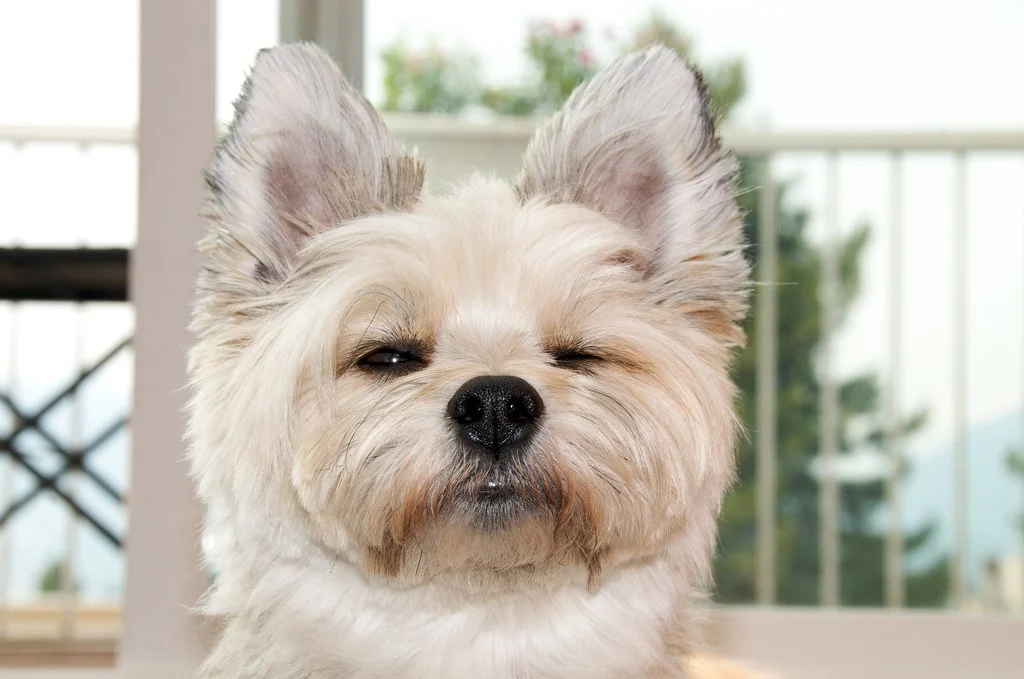
Understanding Pet Photography
Pet photography has grown from a casual hobby into a thriving professional genre. Pet owners increasingly treat their animals as family members and want high-quality portraits that capture their pet’s character. This emotional investment supports premium pricing and creates strong demand for skilled pet photographers.
What makes pet photography challenging is the combination of technical demands and unpredictable subjects. You need fast autofocus to track a sprinting dog, careful lighting to render fur texture without hot spots, and the patience to wait for the perfect expression. You also need the ability to connect with animals, read their body language, and create the conditions that bring out their personality. A great pet photographer is part portrait photographer, part animal behaviorist, and part entertainer.
Essential Gear for Pet Photography
Camera Body
A mirrorless or DSLR camera with fast, reliable autofocus is essential. Pet photography demands quick focus acquisition and accurate tracking because animals move unpredictably. Modern mirrorless cameras with animal-eye detection autofocus have transformed pet photography by automatically finding and locking onto a pet’s eye, even when the animal is moving. If your camera has this feature, use it. It dramatically increases your hit rate for sharp, well-focused pet portraits.
High frame rates (8-20 frames per second) help you capture the perfect expression or peak action moment from a rapid sequence. Buffer depth matters for action sequences: choose a camera that can sustain a burst long enough to capture a complete sequence of a dog catching a ball or a cat pouncing.
Lenses
A 70-200mm f/2.8 zoom is the single most versatile lens for pet photography. It lets you fill the frame from a comfortable distance (close enough to engage with the animal but far enough to avoid making them uncomfortable), the f/2.8 maximum aperture creates beautiful background blur that isolates the pet from distracting environments, and the zoom range covers everything from full-body shots to tight headshots without changing lenses.
An 85mm f/1.4 or f/1.8 prime produces the most beautiful background blur for pet portraits and excels in low-light conditions. A 50mm f/1.4 or f/1.8 is useful for environmental pet portraits that include more context. A 24-70mm zoom covers wider compositions like pets in their home environment or multiple pets together. For very small pets (hamsters, reptiles, fish), a macro lens lets you capture detail and personality that standard lenses miss. The focal length you choose depends on your working distance and the look you want to achieve.
Lighting Equipment
For outdoor pet photography, natural light is your primary tool. A circular reflector helps fill shadows and add a catchlight to the pet’s eyes. For studio pet photography, continuous lighting (LED panels) is often preferred over strobes because the steady light does not startle animals. If you use flash, avoid direct on-camera flash (it produces harsh shadows and can frighten pets). Instead, use off-camera flash with a large softbox or diffuser for a softer, more natural look. Start with a simple lighting setup and add complexity as you gain confidence.
Want softer light than direct flash? Off-camera flash covers wireless triggering, flash positioning and light modifiers.
Essential Accessories
High-value treats (the smelliest, most irresistible treats the pet loves) are your most important accessory. Squeaky toys, crinkle sounds, and noisemakers grab attention and produce alert, curious expressions. Tennis balls and fetch toys create action opportunities. A non-slip mat prevents pets from sliding on studio floors. Gaffer tape (not duct tape) holds backdrops and equipment in place without leaving residue. Baby gates can confine a pet to a shooting area without making them feel trapped.
Camera Settings for Pet Photography
Pet photography settings must balance speed, sharpness, and exposure in rapidly changing situations. Animals do not hold still on command, so your settings need to be ready for anything.
Portrait Settings (Calm Pets)
Aperture: Use f/2 to f/4 for individual pet portraits. Wide apertures blur the background and draw all attention to the pet, creating a professional, polished look. At f/2 with an 85mm lens, the depth of field is thin enough that only the eyes and nose are sharp while the ears begin to soften, which creates a dreamy, intimate feel. Stop down to f/4 for more of the face in focus, especially for flat-faced breeds or when photographing from an angle.
Shutter speed: 1/250s minimum, even for a pet that appears to be sitting still. Animals make subtle movements (ear twitches, head turns, tongue flicks) that will blur at slower shutter speeds. If the pet is very calm and you are on a tripod, 1/125s can work, but 1/250s is the safer baseline.
ISO: Whatever you need to maintain the aperture and shutter speed above. In bright outdoor light, ISO 100-400 is typical. In shaded outdoor areas or indoors, ISO 800-3200 is common. Do not sacrifice shutter speed to keep ISO low. A slightly noisy sharp image is always better than a clean blurry one.
Action Settings (Moving Pets)
Aperture: f/4 to f/5.6 provides a slightly deeper depth of field that gives your autofocus a better chance of keeping a moving subject sharp. At f/2.8, the focus plane is so thin that even small errors in tracking result in out-of-focus images.
Shutter speed: 1/1000s minimum for running dogs, playing cats, and fast-moving animals. For extremely fast action (a greyhound at full sprint, a cat mid-leap), push to 1/2000s or faster. Use shutter priority mode or manual mode with auto-ISO to guarantee the shutter speed you need.
ISO: Set auto-ISO with a ceiling of ISO 3200-6400 depending on your camera’s high-ISO capabilities. Action pet photography in anything less than bright sunlight requires ISO compromises, and modern cameras handle this well.
Focus mode: Continuous autofocus (AF-C/Servo) with animal-eye detection is the ideal setup. If your camera lacks animal-eye detection, use zone or dynamic-area autofocus with the initial point placed on the pet’s face. Pre-focus on the spot where you expect the action to happen and fire a burst as the pet arrives. High frame rates (10+ fps) significantly increase your chances of capturing the peak moment in any action sequence.
Does the dog keep outrunning your focus? Continuous autofocus (AF-C) explains how it works, how it compares with single-shot AF and which AF area modes to pair with it.
White Balance
Accurate white balance is important for natural-looking fur and skin tones. Auto white balance works well in most situations, but review your images regularly and adjust if fur colors look off. White and cream-colored pets can fool auto white balance into underexposing or adding unwanted color casts. Black pets can cause the camera to overexpose. Shoot in RAW format for maximum flexibility to correct white balance and exposure in post.
Getting Animals to Cooperate
The biggest challenge in pet photography is not technical. It is getting the animal to look at the camera, hold still for a moment, and display an expression that reveals their personality. This requires a different skill set from traditional portrait photography, where you can simply ask your subject to smile.
Working with Dogs
Exercise the dog before the session. A tired dog is a cooperative dog. A 30-minute walk or play session before shooting burns off excess energy and helps the dog settle into a calmer state. Work with the owner to identify which commands the dog knows reliably (sit, stay, look, down) and use those consistently throughout the session.
Use treats strategically. Hold a treat near the lens to direct the dog’s gaze toward the camera. Have an assistant hold a treat above your head for an upward-looking expression. Place a treat on the dog’s nose (if they can hold it) for a comical portrait. Use the treat as a reward for cooperation, not as a constant lure, or the dog will focus entirely on the food and produce nothing but wide-eyed, food-fixated expressions.
Noisemakers produce the classic “head tilt” expression that pet owners love. Squeaky toys, whistles, clicking sounds, and unusual noises all trigger alertness and curiosity. However, each sound only works a few times before the dog habituates to it. Save your best noisemakers for the key moments when you need a perfect expression and the light is right.
Working with Cats
Cats are less trainable than dogs and require a completely different approach. Work in the cat’s own environment whenever possible. A cat in an unfamiliar studio will likely hide, freeze, or pace anxiously. In their home territory, cats are more relaxed and likely to display natural behavior.
Use feather toys, laser pointers (for getting the cat to the right position, not for the actual photo as they produce unfocused, frantic expressions), and cat treats to direct attention. Catnip can produce playful, animated behavior in susceptible cats. Crinkle sounds from plastic or foil often trigger curiosity and the alert, ears-forward expression that makes great cat portraits.
Patience is paramount with cats. There will be long periods where the cat does absolutely nothing photographically interesting. Stay ready. Cats have sudden, explosive moments of activity followed by extended rest periods, and those brief active moments are when you will capture your best shots.
Working with Other Pets
Horses, rabbits, birds, reptiles, and other pets each present unique challenges. Large animals like horses benefit from the same telephoto techniques used in wildlife photography, with the advantage that they are more accustomed to human presence. Small animals like rabbits and guinea pigs are best photographed in a contained, safe space at their level, often on a table or the floor with a simple backdrop. Reptiles and fish require macro techniques and careful attention to reflections from glass enclosures. Research the specific behavior patterns and comfort needs of whatever species you are photographing.
Outdoor Pet Photography
Outdoor sessions offer beautiful natural backgrounds, ample space for action shots, and the most flattering natural light. They also introduce variables like wind, weather, other animals, and unfenced environments that require planning.
Location Selection
Choose locations with clean backgrounds (fields, forests, beaches, parks with minimal visual clutter), open shade for even lighting, and enough space for the pet to move comfortably. Avoid locations near busy roads unless the pet is reliably under control. Fenced areas are ideal for off-leash action shots with dogs that may not have perfect recall.
Scout the location before the session. Identify the best backgrounds, the direction of the light at your planned shoot time, potential hazards (broken glass, toxic plants, gaps in fencing), and the quietest times to avoid crowding. Use a sun-tracking app to understand where the light will be during your session.
Optimal Light
The golden hour produces the most flattering outdoor pet photography. The warm, directional light adds dimension to fur, creates a glowing rim light effect on edges, and produces warm tones that make images feel alive. Overcast days provide soft, even light that is excellent for portraits (no squinting, no harsh shadows) but can lack the drama and warmth of directional light.
Avoid direct midday sun, which creates harsh shadows under the face and body and causes light-colored pets to squint. If you must shoot in bright sun, find open shade (under a tree canopy, next to a building, in the shadow of a wall) where the light is diffused and even. Use a reflector to bounce light into the pet’s face and add a catchlight to their eyes, which brings the portrait to life.
Studio Pet Photography
Studio sessions give you complete control over lighting, backgrounds, and the environment, but they require the pet to be comfortable in an unfamiliar space.
Studio Setup
Use a clean, simple backdrop (solid colors or gentle gradients). White, gray, and black are the most versatile. Colored backdrops can complement the pet’s fur color (warm earth tones for golden-coated dogs, deep blues for white cats). Ensure the floor surface is non-slip; a slippery floor makes pets anxious and unstable. Rubber-backed mats or carpet remnants provide secure footing.
Set up your lighting before the pet arrives. Testing and adjusting lights while a nervous pet watches you fuss with equipment wastes their patience. A basic two-light setup (a main light in a large softbox at 45 degrees, plus a fill light or reflector on the opposite side) produces clean, flattering pet portraits. Add a hair/rim light behind and above the pet to separate them from the background and add a luminous edge to their fur.
Handling Nervous Pets in the Studio
Give the pet time to explore and settle into the space before you start shooting. Let them sniff the equipment, walk around, and realize the environment is safe. Stay calm and quiet. Your energy directly affects the animal’s stress level. Start shooting casually without expecting great results, and let the pet warm up to the process. Many of the best studio pet images come 20-30 minutes into a session when the animal has finally relaxed.
Composition for Pet Photography
Composition in pet photography follows the same principles as portrait photography, with adjustments for the unique characteristics of animal subjects.
Shoot at the Pet’s Level
The single most impactful composition change you can make is to get down to the pet’s eye level. Standing and shooting down at a pet creates a diminishing, disconnected perspective. Kneeling, lying flat, or positioning yourself at the same height as the animal creates an intimate, engaging image that makes the viewer feel like they are meeting the pet face-to-face. This means getting your knees dirty, lying on the ground, and accepting that your clothes will never be the same. It is worth it.
Focus on the Eyes
Sharp eyes are non-negotiable in pet photography, just as they are in human portraits. The eyes are the first thing a viewer looks at, and if they are not sharp, the image fails regardless of everything else. Use single-point autofocus locked on the nearest eye, or rely on animal-eye detection autofocus if your camera offers it. A bright catchlight (a reflection of the light source in the eye) brings the eyes to life and creates the spark that makes a pet portrait compelling.
Want to know how that spark in the eye forms? Catchlight covers why catchlights matter, what they are made of and how to create them.
Framing and Cropping
Vary your framing throughout the session. Tight headshots that fill the frame with the pet’s face create maximum emotional impact. Three-quarter shots show the pet’s posture and body language. Full-body shots reveal the pet’s build and movement. Environmental shots that include the surroundings tell a story about where the pet lives and plays.
Apply the rule of thirds by placing the pet’s eyes at one of the upper intersection points. Leave space in the direction the pet is looking or moving, which creates a sense of motion and intention in the frame. Avoid cutting the frame at joints (knees, elbows, tail base), which looks awkward. For action shots, leave space in front of the pet so they appear to be running into the frame rather than out of it.
Photographing Dark and Light Pets
Black pets and white pets are notoriously difficult to photograph because they challenge your camera’s metering and autofocus systems.
Black Pets
Dark-furred animals absorb light and can appear as featureless black blobs without proper technique. The key is to use strong, directional side or rim lighting that skims across the fur surface, revealing texture and separating the pet from the background. Expose for the fur, not the background, and be willing to slightly overexpose the background to maintain detail in the dark fur. In editing, carefully lift shadows to reveal fur detail without making the image look flat. Use a lighter-colored background (mid-gray rather than black) to create separation.
Does your meter keep getting black or white fur wrong? Exposure compensation explains why the meter gets fooled and gives starting values by scene.
White Pets
White-furred animals reflect light and can blow out to featureless white blobs. Use soft, diffused lighting rather than hard, directional light. Expose carefully for the highlights (check your histogram and ensure the right edge does not clip). In editing, reduce highlights to recover detail in white fur. Shoot against a contrasting background to separate the pet from the surroundings. Be especially careful with white balance, as white fur shows color casts more obviously than any other fur color.
Post-Processing Pet Photographs
Editing pet images follows a workflow similar to portrait editing with a few pet-specific considerations.
Basic Adjustments
Start in Lightroom with exposure, white balance, and contrast adjustments. Fur colors should look natural and accurate. Warm-toned processing generally flatters golden, brown, and red-furred animals. Cool tones can look striking with silver, gray, and white-furred subjects. Lift shadows slightly to reveal fur detail in darker areas, and pull highlights to preserve detail in lighter areas.
Eye Enhancement
Brighten and sharpen the eyes selectively using a brush or radial filter. Add a small amount of exposure, clarity, and saturation to the iris area. Enhance the catchlight by increasing its brightness. These subtle adjustments make the eyes pop and serve as the focal point of the image. Be careful not to overdo it. The eyes should look naturally bright and alive, not glowing or artificial.
Cleanup and Retouching
Remove distracting elements: leashes and harnesses that were necessary during the shoot but detract from the final image, eye discharge, drool strands, stray kibble on the ground, and background clutter. Clean up the fur where it looks matted or messy if it is not part of the pet’s character. For professional client delivery, a polished final image that looks natural but refined is the standard.
Color Grading
Color grading can set the mood of pet images. Warm, earthy tones create a cozy, inviting feeling that works well for home and outdoor portraits. Cool, muted tones create a more editorial, contemporary look. Develop a consistent color treatment that becomes part of your style, and apply it across your portfolio for a cohesive look.
Working with Pet Owners
In professional pet photography, the owner is your actual client even though the pet is your subject. Managing the owner’s expectations, involvement, and emotional investment is a critical skill.
During the consultation, ask about the pet’s personality, any tricks they know, their favorite toys and treats, their energy level, and any behavioral quirks to watch for. This information helps you plan the session and avoid triggers that might stress the animal. Ask the owner what their dream image looks like. Some want formal portraits; others want action shots; many want candid moments that show the pet’s daily life.
Wondering how to handle the inquiry and consultation? Photography client onboarding covers the inquiry response, the consultation call, the proposal and the contract.
During the shoot, give the owner a specific role. Ask them to stand behind you holding a treat, to make specific sounds when you cue them, or to interact with the pet for candid shots. An owner with nothing to do will either hover anxiously (which makes the pet anxious) or try to direct the session themselves (which undermines your control). Including the owner in some images (hands on the pet, walking together, the pet looking up at them) produces images they will treasure.
After the session, deliver images promptly and professionally. A clean online gallery with purchasing options, or a carefully selected set of edited digital files, reflects the quality and professionalism of the experience. Include usage guidance so owners know how to print and share images at their best quality.
Building a Pet Photography Business
Pet photography is one of the fastest-growing photography specializations, with strong demand and loyal, repeat clients. Pets age, families grow, and seasons change, creating natural opportunities for annual or semi-annual sessions.
Pricing
Structure your pricing around packages that include a session fee and a defined number of edited digital images, with optional add-ons like prints, canvases, and albums. Pet photography pricing typically falls between portrait and wedding photography rates. Mini sessions (15-20 minutes, fewer images, lower price) are an excellent entry-level offering that lowers the barrier for first-time clients and can be batched into efficient seasonal events (holiday mini sessions, spring outdoor sessions).
Marketing
Pet owners are active on social media, and pet content consistently performs well. Instagram is particularly effective for pet photography marketing. Post consistently, use relevant hashtags, and engage with local pet communities. Partner with veterinarians, groomers, dog trainers, pet stores, and animal shelters for cross-promotion. Offering discounted or complimentary sessions at shelters is excellent for building your portfolio, generating social media content, and helping animals get adopted, which earns community goodwill and word-of-mouth referrals.
Understand contracts and release forms specific to pet photography, and review the fundamentals of starting a photography business as you build your practice.
Common Mistakes in Pet Photography
- Shooting from standing height. Looking down at a pet produces unflattering, disconnected images that make the animal look small and insignificant. Get down to their eye level for every shot.
- Using direct on-camera flash. On-camera flash produces harsh shadows, flat lighting, green or red eye-glow in animals, and often frightens the subject. Use natural light, off-camera flash with a diffuser, or continuous lights.
- Not having enough treats and toys. Running out of engagement tools mid-session means losing the pet’s attention and cooperation. Bring a variety of high-value treats, multiple different noisemakers, and several toys.
- Expecting the pet to hold still. Pets are not models. They will not hold a pose on command (with rare exceptions). Instead of fighting this reality, adapt your technique: use fast shutter speeds, continuous shooting, and anticipatory composition to capture the best moments within the chaos.
- Cluttered backgrounds. A beautiful pet portrait can be ruined by a distracting background of parked cars, trash cans, or busy patterns. Always check your background before shooting and reposition to find a clean, complementary backdrop.
- Overshooting tired pets. Pushing a session past the pet’s tolerance leads to stressed, anxious images that no amount of skill can save. Watch for signs of fatigue or stress (yawning, lip-licking, turning away, panting in dogs; hiding, flattened ears, or aggression in cats) and end the session before the pet is miserable.
- Forgetting the owner. The session is about the pet, but the client is the owner. Include the owner in some shots, communicate warmly throughout the session, and deliver images that make the owner’s relationship with their pet the hero of the story.
Try This
- Practice with your own pet at different times of day. Photograph your pet (or a friend’s pet) in the same location at sunrise, midday, golden hour, and under overcast skies. Compare how the light affects the mood, fur rendering, and overall quality of each image.
- Shoot an action sequence. Set your camera to continuous high-speed mode, use a fast shutter speed (1/1000s+), and photograph a dog running directly toward you. Practice tracking focus and timing the burst to capture peak action moments like all four paws off the ground.
- Create a studio portrait with a single light. Set up one light in a softbox at 45 degrees and photograph a calm pet against a simple backdrop. Focus on getting sharp eyes with a bright catchlight, and experiment with the light’s distance and angle to see how it affects the fur texture and mood.
- Photograph a black and a white pet. Practice the specific techniques for both extremes: side lighting and overexposure for black pets, soft diffused light and careful highlight management for white pets. These challenging subjects will sharpen your technical skills rapidly.
- Volunteer at a local animal shelter. Photograph adoptable pets for the shelter’s website and social media. This gives you practice with diverse animals in challenging conditions, builds your portfolio, and directly helps animals find homes. Many professional pet photographers started this way.
Frequently Asked Questions
What is the best camera for pet photography?
The best pet photography camera has fast, reliable autofocus (ideally with animal-eye detection), a high continuous frame rate (10+ fps), and good high-ISO performance for indoor and action shooting. Modern mirrorless cameras from major manufacturers offer all three features. A crop-sensor body gives you extra reach for capturing smaller or more distant pets, while a full-frame body provides better low-light performance and shallower depth of field for creamy backgrounds.
How do I get a pet to look at the camera?
Hold a treat or toy directly above, behind, or next to your lens. Make unusual sounds (squeaks, clicks, whistles) that trigger curiosity. Have an assistant stand behind you making noises or holding treats. For dogs, using their name in an excited tone often produces a brief moment of alert attention. For cats, the crinkle of a treat bag or a feather toy moved slowly near the camera produces focused, interested expressions. Always have your camera ready and settings dialed in before you try to get the pet’s attention, because you usually get only a second or two of direct eye contact.
Should I photograph pets indoors or outdoors?
Both work well, and the best sessions include a mix. Outdoor photography offers beautiful natural light and backgrounds with space for action shots. Indoor/studio photography offers complete lighting control and a distraction-free environment for formal portraits. Many professional pet photographers start outdoors for action and environmental shots, then move to a controlled indoor or studio setting for polished portrait work.
How long should a pet photography session last?
Plan for 60-90 minutes total, including setup and the pet’s acclimation time. The actual focused shooting time is typically 30-45 minutes for dogs and 20-30 minutes for cats before they lose patience or energy. Build in breaks for the pet to rest, drink water, and decompress. It is better to end a session early with a happy, cooperative pet than to push for more shots and get stressed, unflattering images.
How do I handle multiple pets in one session?
Photograph each pet individually first, then attempt group shots. Getting multiple animals to look at the camera simultaneously is extremely challenging. Use a long focal length so you can step back (reducing the pets’ awareness of you), have one assistant per pet, and use one strong noisemaker that grabs everyone’s attention at once. Take many frames in rapid succession because the window of synchronized attention is measured in fractions of a second. Accept that group shots may require compositing individual images in post-processing for the best result.
Continue Learning
Pet photography builds on skills from several related areas. Explore these guides to expand your abilities:
- Portrait Photography Guide
- Wildlife Photography Guide
- Composition Techniques
- Rule of Thirds
- Photography Lighting Guide
- Natural Light Photography
- Golden Hour Photography
- Depth of Field Explained
- Aperture Explained
- Shutter Speed Explained
- ISO Explained
- Focal Length Explained
- Lightroom for Beginners
- Color Grading in Photography
- Photography Pricing Guide
- How to Start a Photography Business
- Nature Photography Guide
- Boudoir Photography Guide