The question “should I use my phone or buy a real camera?” is one of the most common in photography. The honest answer is that both are excellent tools, and the best choice depends entirely on what you want to photograph, how you plan to use the images, and what kind of creative experience you are looking for. Neither is universally “better.” Each has genuine strengths that the other cannot match.
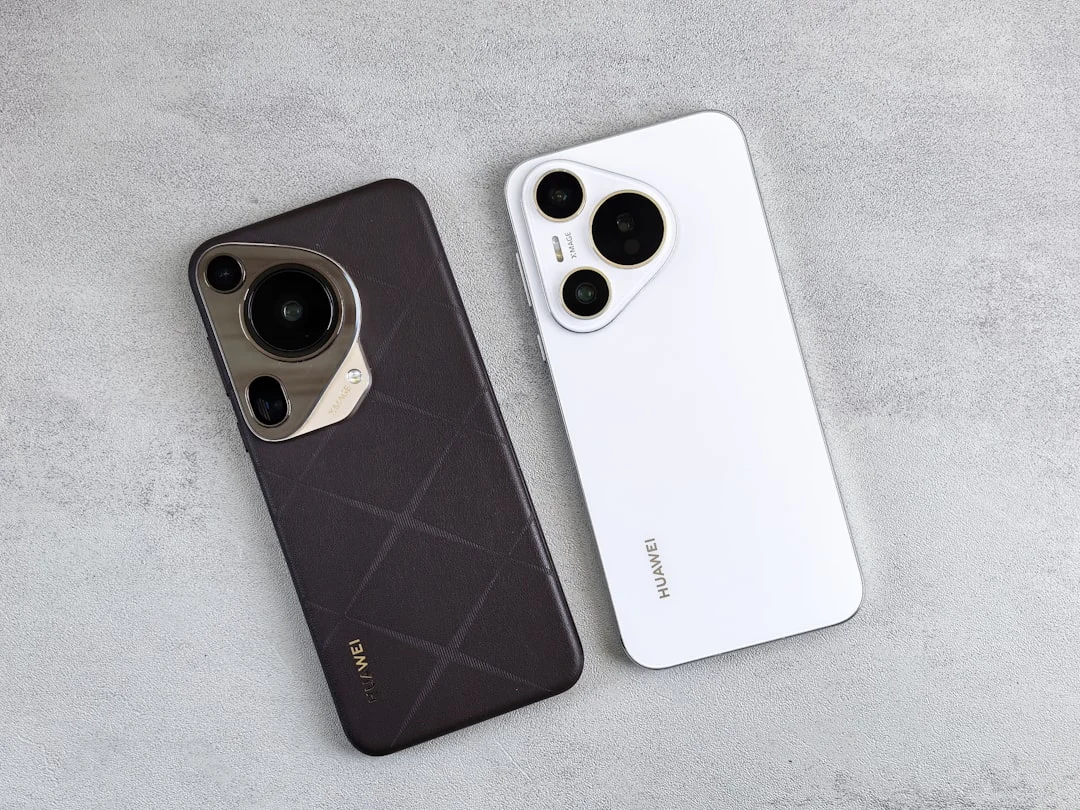
This guide provides an honest, practical comparison across the dimensions that actually matter: image quality, creative control, convenience, versatility, and the overall photography experience. By the end, you will be able to make an informed decision about which tool (or combination of tools) best serves your specific needs.
We are not here to declare a winner. We are here to help you understand the real tradeoffs so you can choose wisely.
Image Quality: The Honest Comparison
Where Phones Excel
Modern smartphone cameras produce genuinely excellent image quality in good lighting conditions. For photos shared on social media, viewed on screens, or printed at standard sizes (up to about 8×10 inches), a flagship phone produces results that are virtually indistinguishable from a dedicated camera. The computational photography pipeline, which stacks multiple exposures, applies intelligent noise reduction, and optimizes color and contrast, produces polished, vibrant images straight from the camera with no editing required.
Phones also excel at HDR (high dynamic range) scenes. The computational approach of capturing and merging multiple exposures at different brightness levels often outperforms a single exposure from a dedicated camera, recovering detail in both highlights and shadows simultaneously. Sunset scenes with bright skies and dark foregrounds, indoor scenes with bright windows, and backlit subjects all benefit from this computational advantage.
For video, phones have become remarkably capable. Stabilized 4K video, slow motion, time-lapse, and cinematic focus effects are available with zero setup. The convenience and quality of phone video has made smartphones the dominant tool for casual and semi-professional video production.
Where Dedicated Cameras Excel
Dedicated cameras have physically larger sensors, which is their fundamental advantage. A larger sensor captures more light, which translates to several concrete image quality benefits.
Better low-light performance. A larger sensor with bigger individual pixels gathers more light per pixel, producing cleaner images at high ISO settings. In dim environments, a dedicated camera can shoot at ISO 6400 or higher and still produce images with usable detail and manageable noise. A phone at the same ISO produces significantly more noise and less detail, even with computational noise reduction.
More dynamic range from a single exposure. While phones compensate with multi-frame HDR, a dedicated camera captures more brightness range in every individual frame. This means more flexibility when editing RAW files, especially for recovering extreme highlights or pulling up deep shadows. The editing latitude of a RAW file from a large-sensor camera significantly exceeds what a phone RAW file offers.
Higher resolution for cropping and large prints. While megapixel counts are similar between phones and dedicated cameras, the larger sensor means each pixel receives more light and resolves more genuine detail. This translates to sharper images at equivalent sizes and the ability to crop more aggressively while retaining quality. For large prints (16×20 inches and above), the difference in detail becomes visible.
True shallow depth of field. A dedicated camera with a wide-aperture lens creates real optical bokeh that looks natural and handles complex edges (like hair) without the artifacts common in computational portrait mode. The ability to physically control depth of field through aperture, focal length, and distance gives photographers a creative tool that phones can only simulate.
Creative Control: Manual Settings and Lens Choice
Phone Camera Controls
Phone cameras in Pro mode offer manual control over shutter speed, ISO, white balance, and focus. These are the same fundamental controls available on dedicated cameras. However, the aperture on most phones is fixed, which removes one of the three pillars of the exposure triangle from your manual control. This limits creative flexibility, particularly for depth-of-field effects and for managing exposure in very bright conditions without an ND filter.
Phone cameras offer multiple built-in lenses (ultra-wide, standard, telephoto), which provides versatility. But the focal length options are limited to whatever the phone manufacturer chose to include. You cannot attach a 200mm telephoto for distant wildlife, a tilt-shift lens for architectural perspective correction, or a dedicated macro lens for extreme close-ups. The phone’s built-in lenses are your only optical options.
Dedicated Camera Controls
A dedicated camera with an interchangeable lens system offers complete creative control. Full manual adjustment of aperture, shutter speed, and ISO. Interchangeable lenses ranging from extreme wide-angle to super-telephoto, from fast primes to versatile zooms, from macro to tilt-shift. Physical dials and buttons that let you change settings by feel without looking at a screen. Custom function buttons programmed to your personal workflow.
This degree of control matters when you need it. A wildlife photographer needs a 400mm lens to photograph a distant eagle. A portrait photographer wants f/1.4 for creamy background blur on an 85mm lens. An architectural photographer needs a tilt-shift lens to keep building lines straight. A sports photographer needs a camera body that can fire 20 frames per second with accurate tracking autofocus. None of these capabilities exist on a phone.
But this control comes with complexity. A beginner with a dedicated camera and three lenses faces a steep learning curve. Understanding which lens to use, how to set aperture for the desired depth of field, how to balance shutter speed and ISO, and how to configure autofocus for different subjects takes significant time and practice to master.
Convenience and Portability
This is where the phone wins decisively, and it matters more than most comparisons acknowledge.
Your phone is always with you. It fits in your pocket. It requires no separate bag, no lens changes, no battery charger, no memory cards. You can go from phone-in-pocket to photograph-captured in under three seconds. There is zero setup time, zero weight penalty, and zero social friction (nobody looks twice at someone using a phone).
A dedicated camera, even a small mirrorless body with a single lens, adds weight, bulk, and preparation. You need to remember to bring it, charge the battery, carry a bag, and be willing to pull it out when a moment happens. The psychological barrier is real: many photographers leave their cameras at home for casual outings because carrying the gear feels like a commitment.
This convenience factor directly affects the quality of your photography, not because the phone takes better pictures, but because the best camera is the one you actually have when the moment happens. A phone photograph of a once-in-a-lifetime moment is infinitely better than the memory of the camera you left at home.
For travel, hiking, family events, and everyday life, the phone’s portability advantage is enormous. For planned shoots, studio work, professional assignments, and situations where you know in advance what you will be photographing, the convenience gap narrows because you prepare deliberately for those situations anyway.
Speed and Responsiveness
Autofocus
Modern phones and dedicated cameras both have fast autofocus, but they handle different situations differently. Phone autofocus is excellent for static and slowly moving subjects. It is smart enough to recognize and prioritize faces and eyes. But for fast, erratic action (a bird in flight, a soccer player changing direction, a dog running toward you), dedicated cameras with advanced phase-detection autofocus systems and dedicated tracking algorithms still outperform phones significantly.
Dedicated cameras also offer more autofocus customization: selecting individual focus points, configuring tracking sensitivity, choosing between single-shot and continuous focus modes, and programming back-button focus configurations. This level of control is essential for sports, wildlife, and action photography.
Burst Rate and Buffer
Both phones and cameras offer burst mode, but the duration and quality differ. Phones can fire bursts rapidly but typically reduce image quality during sustained bursts. Dedicated cameras, especially professional sports and wildlife bodies, can sustain full-resolution, full-quality bursts for longer periods. A professional camera might shoot 20 RAW frames per second for several seconds. A phone might shoot 10 JPEG frames per second for a burst but cannot sustain RAW capture at that rate.
Startup and Shot-to-Shot Speed
Phones have the advantage of being always on and ready. Swipe to the camera app and shoot. Dedicated cameras need to be powered on, and there is a brief startup delay. However, once powered on, a dedicated camera can cycle between shots faster, especially when shooting RAW, because it has dedicated image processing hardware and larger buffers.
Specific Genres: Which Tool Wins?
Portrait Photography
Phones with portrait mode produce excellent casual portraits for social sharing. Dedicated cameras with fast portrait lenses (50mm f/1.4, 85mm f/1.4, 70-200mm f/2.8) produce portraits with natural optical bokeh, more flattering facial perspective, and better performance in challenging light. For professional portrait work, dedicated cameras remain the standard. For everyday portraits of friends and family, phones are more than capable.
Landscape Photography
Both tools work well for landscapes. Phone ultra-wide lenses capture expansive scenes, and the deep depth of field keeps everything sharp. Dedicated cameras offer higher resolution for large prints, interchangeable wide-angle lenses with less distortion, and the ability to use physical filters (polarizers, neutral density, graduated ND) that provide effects phones cannot replicate. For hiking and travel where weight matters, the phone wins. For serious landscape work with large print aspirations, the dedicated camera wins.
Street Photography
Phones are arguably the ideal street photography tool. They are small, unobtrusive, and do not attract attention. The wide-angle lens suits street compositions. The always-ready nature means you never miss a decisive moment. While some street photographers prefer the tactile experience and faster controls of a small dedicated camera, the phone’s invisibility in a crowd is a genuine advantage for candid work.
Wildlife and Sports
Dedicated cameras win decisively here. Phone cameras cannot reach the focal lengths needed for distant wildlife (300mm, 400mm, 600mm equivalents), cannot track fast-moving subjects with the precision needed for birds in flight or fast sports, and struggle with the high ISO performance required for action in variable light. If wildlife or sports photography is your primary interest, a dedicated camera is not optional. It is essential.
Night Photography
Both tools have strengths at night. Phone night modes produce impressive results from handheld shooting, combining multiple exposures computationally. Dedicated cameras produce cleaner images at high ISO, offer true long exposure capabilities (minutes-long exposures for star trails), and work with fast lenses that gather significantly more light. For casual night photos, the phone performs admirably. For serious astrophotography, light trail work, and creative long exposure, the dedicated camera is the better tool. See our smartphone night photography guide for what phones can achieve.
Macro and Close-Up Photography
Phones with dedicated macro lenses can focus very close and capture impressive detail of small subjects. Dedicated cameras with true macro lenses offer higher magnification, better working distance (you do not have to be inches from the subject), and the ability to control depth of field for creative blur. For casual close-up photos of flowers and insects, a phone works well. For serious macro work at high magnification, dedicated equipment is needed.
The Editing Workflow Comparison
Phones offer a completely integrated workflow: shoot, edit, and share on the same device within minutes. Mobile editing apps can handle RAW files and produce professional results. The entire process from capture to sharing can happen in the field with zero additional equipment.
Dedicated cameras require a transfer step: moving files to a computer or phone for editing. This adds time and complexity but also gives you access to more powerful editing software on larger screens. The RAW files from larger sensors provide more editing latitude, which can be the deciding factor for photographers who rely heavily on post-processing.
Many photographers use a hybrid workflow: shoot with a dedicated camera for planned projects, transfer select images to their phone for editing and quick sharing, and use the phone directly for everyday capture. This approach leverages the strengths of both tools.
The Cost Comparison
If you already own a modern smartphone, your photography investment is zero. You have a capable camera in your pocket with no additional expense. Phone camera quality improves with each new phone you buy (which most people do every few years regardless of photography interests), so your camera upgrades happen automatically.
A dedicated camera system is a deliberate investment. An entry-level mirrorless camera with a kit lens costs several hundred dollars. Adding quality lenses (each of which may cost as much as or more than the camera body) increases the investment significantly. Accessories like tripods, bags, filters, extra batteries, and memory cards add further costs. And unlike phones, camera bodies do not get replaced on a regular cycle for most people.
The cost question is really about whether the capabilities of a dedicated camera system justify the investment for your specific photography interests. If your needs are served by a phone, spending money on a camera you rarely use is wasteful. If your ambitions require capabilities the phone cannot provide, the investment is worthwhile.
The Learning and Creative Experience
This is a dimension that technical comparisons often miss, but it matters to many photographers.
Phone photography is accessible and immediate. The learning curve is gentle. Computational photography handles many technical decisions well, letting you focus on composition and timing. This low barrier to entry means more people are taking more photographs and expressing themselves visually, which is unambiguously positive.
Dedicated camera photography offers a deeper, more deliberate creative experience for many people. The physical act of adjusting aperture with a dial, hearing the mechanical shutter, looking through a viewfinder, and making intentional technical decisions creates a more immersive, meditative photographic experience. Learning the technical foundations of the exposure triangle, understanding how aperture affects depth of field, and developing the skill to use light creatively provides a deep, rewarding learning journey.
Some people find that the deliberate nature of dedicated camera photography makes them more thoughtful photographers. The friction of changing lenses, adjusting settings, and working within technical constraints forces a level of intentionality that the instant, frictionless phone experience does not demand. Others find that the phone’s simplicity frees them to focus entirely on seeing and composing, unencumbered by technical decisions.
Neither experience is superior. They are different, and your preference depends on what you value in the photographic process.
Making the Right Choice for You
Here is a practical decision framework.
Stick with your phone if: your photos are primarily for social media and screen viewing, you value portability and always-ready convenience, you photograph people, food, travel, street scenes, and everyday life, you do not need extreme telephoto reach or very shallow depth of field, and you want the simplest possible workflow from capture to sharing.
Consider a dedicated camera if: you want to print large, you need telephoto reach for wildlife or sports, you want optical shallow depth of field and true bokeh, you photograph in challenging low-light conditions regularly, you want the full manual control experience with interchangeable lenses, or you want the deepest possible RAW editing flexibility.
Use both if: you enjoy photography as a serious hobby or profession but also want the convenience of the phone for everyday capture. Many serious photographers carry a dedicated camera for planned shoots and use their phone for everything else. The skills transfer completely between the two. Everything you learn about composition, light, and timing applies regardless of which device you hold.
Common Mistakes
Buying an expensive camera and expecting it to automatically produce better photos. A dedicated camera is a tool. It produces better results than a phone only when the photographer knows how to use it. An unskilled photographer with a professional camera will produce worse images than a skilled photographer with a phone. Invest in learning before investing in gear.
Dismissing phone photography as “not real photography.” The camera does not define the photographer. Phone photography has produced award-winning work, gallery exhibitions, and published images. Judging photography by the tool used to create it ignores everything that actually matters: vision, timing, composition, and light.
Buying a camera for a single genre and never using it. If you buy a camera because you are inspired by wildlife photography but live in a city and rarely encounter wildlife, that camera will collect dust. Be honest about what you actually photograph (not what you imagine photographing) and choose tools that serve your real shooting habits.
Not learning the fundamentals before upgrading. Composition, lighting, and the exposure triangle apply to every camera. Master these on your phone first. If your phone photos are consistently well-composed and well-lit, a dedicated camera will amplify your existing skills. If your phone photos are poorly composed, a camera upgrade will just give you poorly composed photos with more pixels.
Thinking you need to choose one or the other. Many photographers use both tools happily. Your phone is your everyday camera. Your dedicated camera is your specialty tool. There is no rule that says you must commit to one system exclusively.
Spending too much on a first camera. If you are just starting out, an entry-level mirrorless camera with a kit lens teaches you everything you need to know. You can upgrade bodies and add lenses later as your skills and interests develop. Starting with top-tier equipment does not accelerate learning.
Try This: Practical Exercises
Exercise 1: The Parallel Shoot. If you have access to both a phone and a dedicated camera, photograph the same subjects with both during a single outing. Compare the results side by side on a computer screen. Note where the phone equals the camera, where the camera pulls ahead, and where the phone’s convenience actually produced a better result because you captured a moment the camera would have missed.
Exercise 2: The Phone-Only Week. Spend one week shooting exclusively with your phone, applying all the principles of composition, light, and exposure control deliberately. At the end of the week, review your best images. If they are strong, your next investment should be in learning, not equipment. If you found genuine limitations that frustrated your creative vision, those limitations tell you exactly what to look for in a dedicated camera.
Exercise 3: The Print Test. Take your best phone photo and your best camera photo (or just your best phone photo if you do not have a camera) and order a print at your local print service. An 8×10 or larger print reveals quality differences that screen viewing hides. This exercise gives you a realistic sense of whether phone image quality meets your print quality standards.
Exercise 4: The Genre Audit. Review the last 100 photos you have taken. What subjects dominate? Landscapes? People? Food? Street scenes? Wildlife? Events? Match your actual shooting habits to the comparison in this guide. This honest audit reveals which tool best serves what you actually photograph, not what you think you photograph.
Exercise 5: The Limitation Finder. For one week, every time you take a photo with your phone and wish the result were better, write down exactly what you wish were different. More background blur? Less noise? More reach? Faster autofocus? Better low-light quality? At the end of the week, review your list. If the limitations are all things a dedicated camera would solve, that is useful buying guidance. If the limitations are about composition or timing, those are skills, not gear problems.
The Bottom Line
The smartphone in your pocket is a genuinely capable photography tool that produces excellent results in a wide range of conditions. For many photographers, it is all they will ever need. For others, a dedicated camera opens up creative possibilities that a phone cannot provide. Both are valid choices, and the right answer depends on your specific photography interests, output needs, and creative aspirations.
Whatever you choose, invest in learning the fundamentals. Composition, lighting, timing, and creative vision are the skills that make great photographs. These skills apply to every camera ever made, from the earliest film cameras to the latest smartphones. Master them, and you will create compelling images with whatever tool you hold.
For more on maximizing what your phone can do, explore our smartphone photography guide and our phone camera settings walkthrough.
Frequently Asked Questions
At what point should I upgrade from a phone to a dedicated camera?
Upgrade when you consistently hit limitations that prevent you from capturing your creative vision. If you need more telephoto reach, better low-light performance, shallower depth of field, or the ability to use specialized lenses, a dedicated camera addresses those needs. If your phone is meeting your needs and you are happy with your results, there is no reason to upgrade. Equipment should follow ambition, not the other way around.
Will a dedicated camera make my photos look more professional?
Only if you learn to use it well. A dedicated camera gives you more tools and more capability, but those tools only produce better results when applied skillfully. An untrained photographer with a professional camera often produces worse results than an experienced photographer with a phone, because the phone’s computational processing handles many technical decisions automatically. Skill always matters more than gear.
Are phone cameras still improving faster than dedicated cameras?
Yes, in terms of computational photography and convenience features. Phone cameras improve significantly with each new phone generation because they benefit from advances in both hardware and software processing. Dedicated cameras improve more slowly because they rely on optical and sensor advances, which are more incremental. However, the physics advantage of larger sensors and interchangeable lenses ensures that dedicated cameras maintain their lead in areas where physics matters: low light, depth of field, and resolution.
Can I use phone lenses and accessories to close the gap?
Clip-on and magnetic phone lenses can add telephoto reach, macro capability, or wider angles. Quality varies enormously. The best phone lens accessories add genuine versatility, while cheap ones degrade image quality with soft edges and color fringing. They can be a reasonable middle ground for someone who wants more capability without committing to a full camera system, but they do not eliminate the fundamental physics differences between a phone sensor and a dedicated camera sensor.
Is a compact point-and-shoot camera worth considering as a middle ground?
Premium compact cameras with large sensors (1-inch or APS-C) offer a compelling middle ground. They are much smaller than interchangeable-lens cameras, offer larger sensors than phones, and provide more creative control including wider apertures and optical zoom ranges. They do not offer interchangeable lenses, so they are less versatile than a full camera system, but for someone who wants better-than-phone quality in a pocketable format, they are worth serious consideration.
Do professional photographers ever use phones for serious work?
Yes. Many professional photographers use phones for behind-the-scenes content, social media posts, scouting locations, and capturing spontaneous moments. Some professional work, particularly for social media, editorial, and documentary projects, is shot entirely on phones by choice. The key distinction is that professionals use phones intentionally, understanding both the capabilities and limitations, rather than using them as a substitute when a dedicated camera would serve the creative vision better.