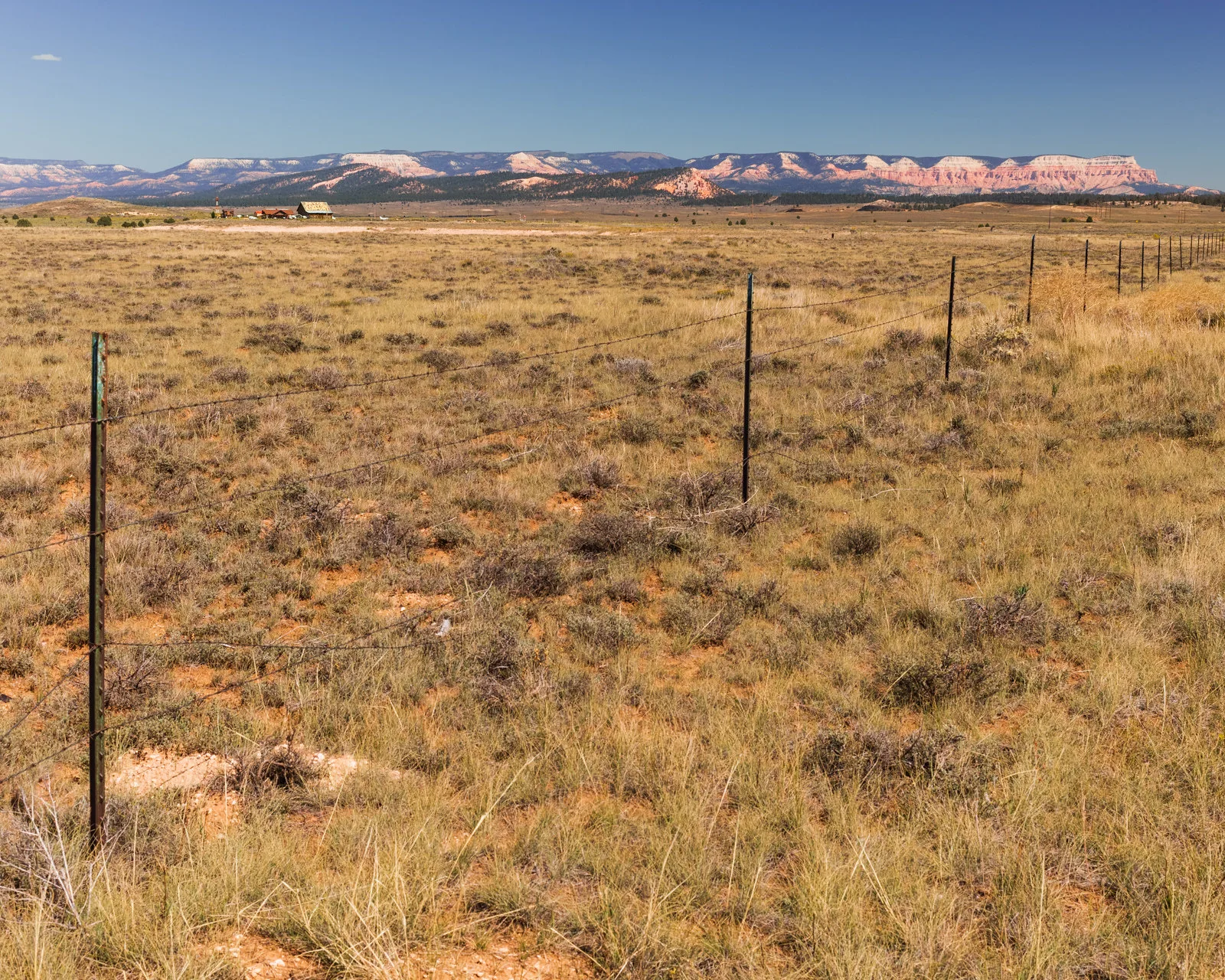
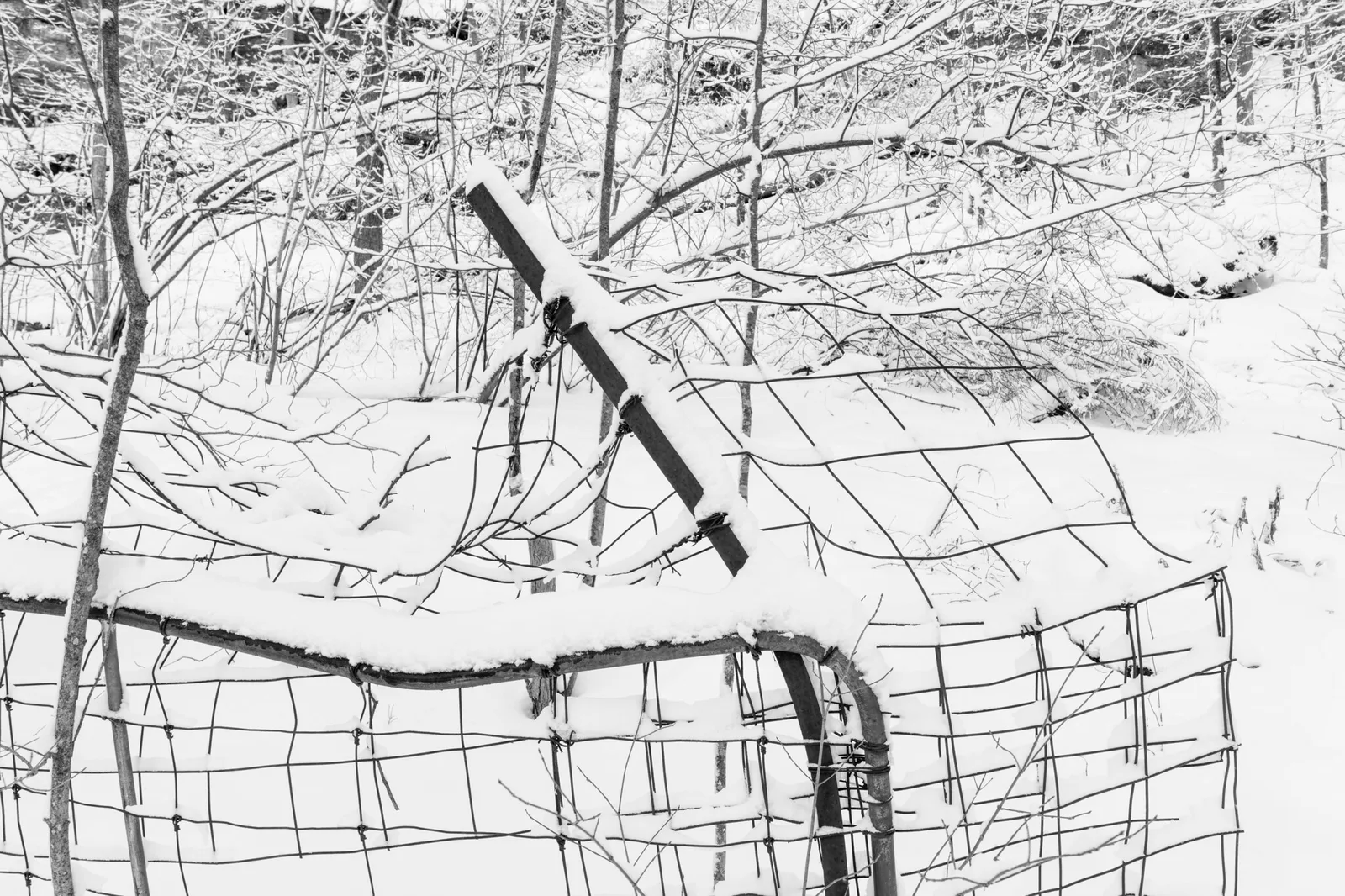
Fences are easy to walk past without a second look, yet they are some of the most useful and expressive subjects in photography. A fence line running across a golden field leads the eye to distant hills, a row of weathered posts marches into the fog, a picket fence frames a cottage garden and a bent wire fence buried in snow becomes a study in line and shape. Fences mark boundaries, tell stories about land and people, and give structure to wide, open scenes.
This guide covers why fences make great subjects, fence lines as leading lines, posts and pattern, wire and barbed wire, wooden and rustic fences, picket fences and gardens, fences in the city, shooting through fences, fences in weather and seasons, details, settings, phones and editing. For wide open country, see the guide to rural photography, and for grasslands that stretch to the horizon, see the guide to prairie photography.
Why fences make great subjects
Fences bring order, rhythm and story to a picture.
- Lines. A fence is a ready made line that can lead the eye anywhere in the frame.
- Rhythm. Evenly spaced posts and rails create a steady visual beat.
- Texture. Weathered wood, rusty wire, peeling paint and lichen reward a close look.
- Story. Fences speak of ownership, farming, protection, separation and the passing of time.
- Everywhere. Farms, gardens, parks, beaches and cities all have fences, so subjects are always close by.
Fences also make wonderful supporting actors. Even when the main subject is a horse, a tree or a mountain, a fence in the foreground adds depth and helps tell the viewer where the picture was made. Learning to see fences as tools for composition will improve many kinds of pictures, not just pictures of fences.
Fence lines as leading lines
The most powerful way to use a fence is as a leading line. A fence that starts near the camera and runs into the distance pulls the viewer into the scene.
- Start close. Stand near one post so the fence begins at the edge or corner of the frame.
- Lead somewhere. Let the fence point toward a subject, such as a barn, a lone tree, a mountain or a sunset.
- Use diagonals. A fence running diagonally across the frame feels more dynamic than one running straight across.
- Follow curves. A fence that bends over a hill or along a road makes a graceful S curve.
A wide lens exaggerates the effect, making near posts look tall and far posts tiny, which gives a strong sense of depth. Placing the camera low, at about the height of the top rail, makes the line even more dramatic. Try a vertical frame too, since a tall picture gives a long fence more room to run toward the horizon.
Want to master lines in every kind of scene? The guide to leading lines explains how to use them to guide the eye.
Fences as foreground
Even when the fence is not the star, it can make a landscape stronger. A few posts and a strand of wire across the bottom of the frame add a sense of place and depth to a wide view of mountains or fields. Focus on the scene, and let the near fence fall slightly soft, or use a smaller aperture to keep both sharp. Be careful not to let the fence block the subject. Lowering or raising the camera a little often lets the fence frame the scene rather than cut through it.
Posts and pattern
A row of fence posts is a natural pattern. The repetition of shapes creates rhythm, and the eye enjoys following it.
- Fill the frame. Use a longer lens to compress a row of posts into a tight, repeating pattern.
- Break the pattern. A single leaning post, a bird perched on one post or a post of a different color gives the eye a place to rest.
- Use shadows. Low sun makes posts cast long, repeating shadows across the ground.
- Isolate one post. A single old post with a strand of wire can make a simple, lonely picture, especially with plenty of empty sky around it.
Fence posts receding into fog or haze step from dark to pale, creating beautiful layers. The guide to pattern and repetition has more ideas for finding rhythm in everyday scenes.
Wire and barbed wire
Wire fences are thin and delicate, which makes them a little trickier to photograph, but they have a strong graphic quality.
- Backlight. Low sun behind the wire makes it glow with thin lines of light.
- Frost and dew. Early mornings coat wire with sparkling drops or white frost.
- Close details. The twist of barbed wire makes a striking close picture against a soft background.
- Plain backgrounds. Wire disappears against busy backgrounds, so place it against sky, snow or soft blur.
Barbed wire carries strong emotional meaning, often suggesting confinement or hardship. Use it thoughtfully, and consider what feeling you want the picture to carry. A single barb sharp against a soft sunset can feel hopeful or harsh depending on the light, the color and the edit, so experiment with both warm and cool versions.
Wooden and rustic fences
Old wooden fences are full of character. Split rail fences zigzag across fields, gray boards lean against one another and posts are covered in moss and lichen.
- Side light. Low sun raking across the wood brings out grain, cracks and knots.
- Close views. Nails, rusty hinges and worn tops of posts make lovely details.
- With the land. A rustic fence in a field of wildflowers or snow feels timeless.
- Gates. An old farm gate, open or closed, suggests a path and invites the viewer in.
Rustic fences suit soft, warm light and a gentle edit, which bring out the warmth of old wood. Black and white also works well, turning grain and texture into rich tones.
Fences and animals
Fences and animals often go together. Horses lean over rails, cows gather at gates, sheep line up along a wire and birds perch on posts. A bird on a fence post makes a classic, simple picture, especially with a soft background and early light. A horse resting its head over a rail makes a gentle portrait. Stay on your side of the fence, never feed or touch animals without permission and give them space. Patience is the key: wait quietly, and curious animals often come closer on their own.
Picket fences and gardens
Picket fences have a cheerful, homey feel. White pickets in front of a cottage, flowers spilling through the gaps and a little gate all suggest comfort and welcome.
- Get low. Shoot along the fence at picket height so the points repeat into the distance.
- Use flowers. Frame roses, daisies or climbing vines against the white pickets.
- Find color. Painted fences in blue, green or red add charm.
- Use soft light. White pickets can overexpose easily in bright sun, so shoot in shade or on cloudy days.
Morning dew on a spider web between two pickets makes a small, delightful detail. Be mindful of privacy. Picket fences usually belong to homes, so photograph from public paths and keep house numbers and people out of the frame.
Fences by the sea
Coastal fences have a special charm, and they add structure to beach pictures. Wooden sand fences zigzag across dunes, rope fences guide paths to the beach and weathered posts lean into the wind. Their soft gray wood pairs beautifully with pale sand, sea grass and blue water. Shoot along a dune fence at golden hour to catch long shadows on the sand, or use a curving beach fence to lead the eye to the sea. Stay on marked paths, since dunes and their plants are fragile.
Fences in the city
City fences have their own graphic beauty.
- Chain link. The diamond pattern of chain link makes a strong texture, and it blurs beautifully when you focus beyond it.
- Iron railings. Ornate railings around parks and old buildings cast lovely shadows.
- Construction fences. Hoardings and temporary fences often carry posters, murals and graffiti.
- Love locks. Fences on bridges covered in padlocks tell stories of couples and visitors.
Look for juxtaposition, such as a flower growing through a chain link fence or a bright mural behind a gray barrier. Small contrasts like these make city fences surprisingly expressive. The guide to juxtaposition has more ideas for pairing opposites in one frame.
Shooting through fences
Sometimes the fence is in the way, such as at a zoo, a sports field or a construction site. With the right technique, you can make it nearly disappear.
- Get as close to the fence as safely possible, ideally with the lens almost touching it.
- Use a wide aperture, such as f/2.8 to f/5.6.
- Zoom in to a longer focal length.
- Focus on the subject beyond, and keep the fence in shadow if you can.
The fence blurs so much that it fades away. You can also do the opposite and use a gap in a fence as a frame around the subject, which adds a sense of looking through into another world.
Fences in weather and seasons
Weather transforms fences, and some of the best fence pictures are made on days when most people stay home. Dress warmly, protect the camera and head out when the forecast looks dramatic.
- Snow. Snow caps posts and rails, and fences become dark lines on a white page.
- Fog. Posts fade into mist, creating layered, mysterious scenes.
- Frost. Wire and wood sparkle on cold mornings.
- Storms. A fence line under dark clouds adds drama to open country.
- Autumn. A fence lined with colorful trees or fallen leaves shows the season. See the guide to fall photography.
Return to the same fence through the seasons to make a lovely series. The fence stays the same while everything around it changes, which makes the changes easy to see.
Sunrise and sunset
Golden hour is a wonderful time for fences. Low sun stretches post shadows across grass and snow, warms weathered wood and makes wire glow with backlight. At sunset, a fence line against a colorful sky becomes a row of dark silhouettes. Place the sun just behind a post to soften its glare, or use a small aperture to turn it into a star. Fog at sunrise adds layers, with near posts dark and far posts fading into soft light.
Love the look of posts fading into mist? The guide to fog photography shows how to work with soft, layered light.
Heading out in the snow? The guide to winter photography covers exposure, cold weather and snowy scenes.
Settings for fence photography
- Fence lines. Use f/8 to f/11 with a wide lens for sharpness from near to far.
- Details. Use f/2.8 to f/4 to blur the background behind a post or a twist of wire.
- Compressed patterns. Use a telephoto lens to stack posts close together.
- Focus. For fence lines, focus about one third into the scene for good depth of field.
- Exposure. Watch white pickets and snow, which can overexpose. Use exposure compensation as needed.
Using a phone
Phones are great for fence lines, since their wide lenses exaggerate depth. Hold the phone low near a post, tap to focus on a near post and let the fence run into the distance. Portrait mode works well for close details of wire and wood.
Editing fence photos
Straighten horizons and posts, and crop so the fence line enters from a corner or edge. Add a little contrast and clarity to bring out wood grain and wire. Black and white suits snowy fences and rustic wood, while warm tones suit golden fields at sunset. Keep edits natural so the scene still feels real.
Common mistakes
- Fences cutting through the middle. A fence straight across the center splits the picture in two. Use diagonals or place it low or high.
- Leading nowhere. A fence line needs a destination. Give it something to point to.
- Busy backgrounds. Thin wire disappears against clutter. Use sky, snow or blur.
- Tilted posts. Unless they are leaning on purpose, keep posts upright.
- Overexposed white fences. Darken the exposure to keep detail.
- Trespassing. Never climb fences or enter private land. Stay on public paths.
Try this: a 10-minute fence study
Find one fence near you, and take five pictures in ten minutes.
- A fence line running from a near corner into the distance.
- A compressed row of posts with a longer lens.
- A close detail of wood, wire or a nail.
- A view through a gap in the fence.
- A picture with the fence as foreground for a wider scene.
Compare the five, and notice how the same fence can lead, frame, pattern or tell a story. Choose your favorite, and return at a different time of day or in different weather to make it even better.
Frequently asked questions
How do I use a fence as a leading line?
Stand near one end so the fence starts close to the camera, and let it run diagonally toward the main subject.
How do I make a fence disappear when shooting through it?
Put the lens close to the fence, use a wide aperture and a longer focal length, and focus on the subject beyond.
What is the best light for fence pictures?
Low sun early or late in the day for long shadows and warm color, or fog and soft light for mood.
Can I climb a fence for a better view?
No. Respect boundaries and private land, and find a better angle from a public place.
What lens is best for photographing fences?
A wide lens is great for fence lines and depth, and a telephoto lens is great for compressed patterns of posts.
How do I photograph a fence with a bird on it?
Use a longer lens, move slowly, keep a soft background and wait for the bird to turn its head toward the light.
For terms such as leading lines, depth of field, compression and backlight, see the photography glossary.