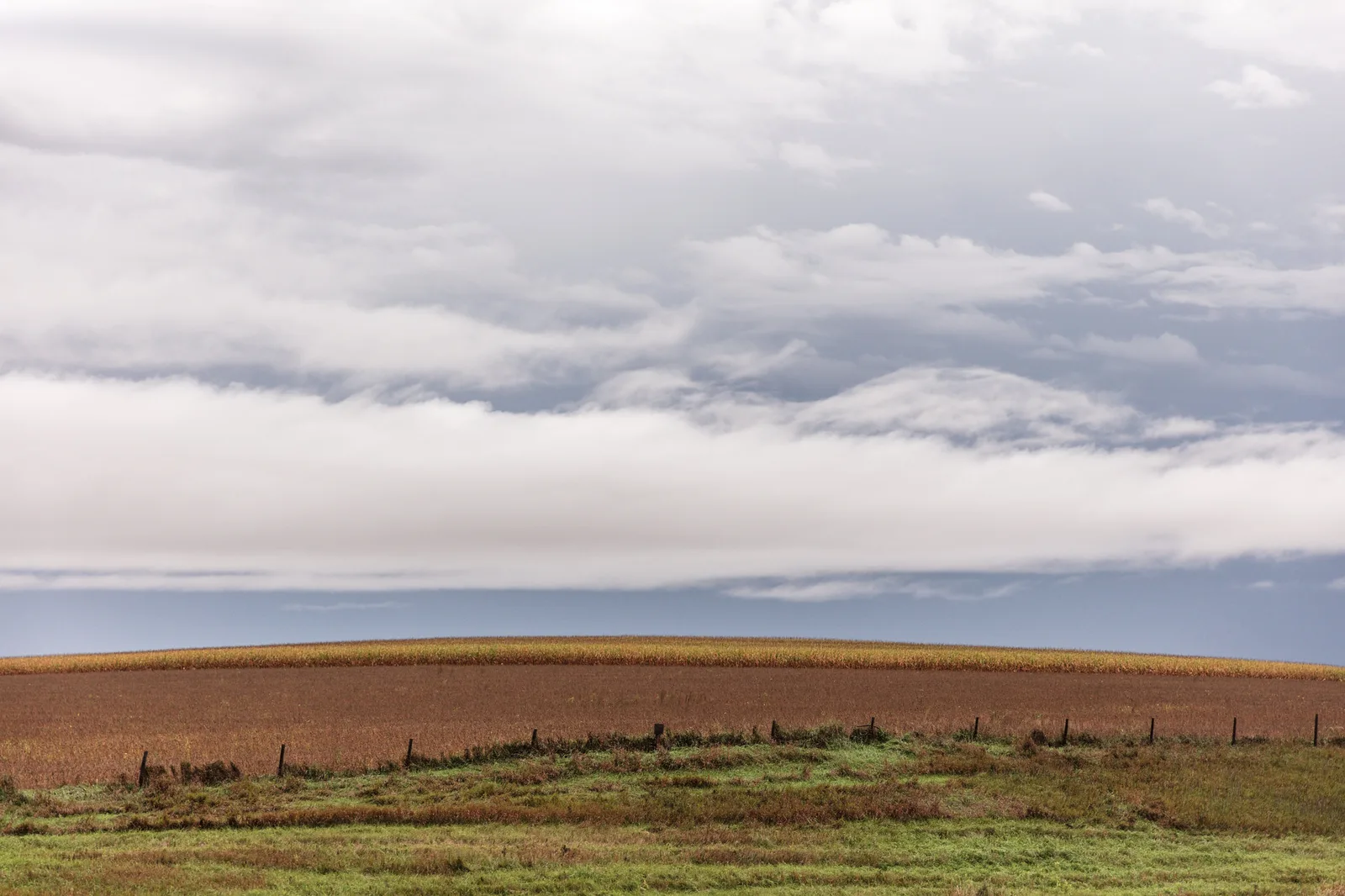
Prairies and grasslands are landscapes of space. The land stretches flat or gently rolling to a far horizon, the sky fills most of the view and weather can be seen coming for miles. At first glance there may seem to be little to photograph, but prairies reward patience with some of the most dramatic skies, softest light and quietest compositions anywhere. Learning to photograph them teaches you to see simply.
This guide covers why prairies make great subjects, horizons and big skies, grass, wind and texture, storms and weather, light through the day, wildflowers and seasons, wildlife, farms and roads, night skies, settings and editing. For landscapes in general, see the guide to landscape photography, and for the farms and towns that dot open country, see the guide to rural photography.
Why prairies make great subjects
Grasslands look simple, but that simplicity is exactly what makes them powerful in pictures.
- The sky is the star. With few trees or hills to block the view, clouds, storms, sunsets and stars dominate the scene.
- They teach simplicity. A line of land, a band of grass and a big sky make strong, minimal compositions.
- The light is wide open. Sunrise and sunset light sweep across the land with nothing to block them.
- They change with the seasons. Green spring grass, summer wildflowers, golden autumn and snow-covered winter plains each look completely different.
- They are full of life. Birds, grazing animals, wildflowers and insects live among the grasses.
Prairies also slow you down. Because nothing dramatic jumps out, you learn to notice small things: the way wind moves through grass, a single tree, a fence line or the shape of a cloud. These quiet details often become the most personal pictures from a day on open land.
Horizons and big skies
The horizon is the main line in nearly every prairie picture, so placing it well matters. A horizon across the middle of the frame often feels static. Moving it low gives the sky room to dominate, which suits dramatic clouds, colorful sunsets and storms. Moving it high emphasizes the land, which suits wildflowers, interesting grass textures or a strong foreground.
- Keep it level. A tilted horizon on flat land is very noticeable. Use the level or grid in your camera.
- Let the sky decide. Plain blue or gray sky deserves little space; dramatic clouds deserve most of the frame.
- Try very low horizons. A thin strip of land at the bottom of the frame under a huge sky captures the feeling of space.
The guides to the rule of thirds and cloud photography have more ideas for balancing land and sky.
Layers and lines
Prairies are often made of horizontal layers: a strip of foreground grass, a fence line, a field of crops, a distant tree line and the sky. Stacking these layers in the frame creates depth and rhythm even in a flat landscape. A longer lens can compress these layers, making them feel closer together and more graphic. Look also for lines that lead into the scene, such as a road, a fence, a track through the grass or rows of crops.
Grass, wind and texture
Grass is the soul of the prairie. Tall grasses catch light, ripple in the wind and change color through the seasons. Getting close to the grass reveals texture and detail that are invisible from a distance.
Get low and use grass as a foreground, with seed heads sharp against a soft background or the sky. Backlight makes grass glow, especially at sunrise and sunset, as light shines through each blade and seed head. Wind is a constant on many prairies, and it can be used creatively. A fast shutter speed freezes grass, while a slower one, around 1/15 second or longer, turns moving grass into soft, flowing streaks that show the wind. The guide to foreground interest explains how to use close elements to draw viewers in.
Single subjects
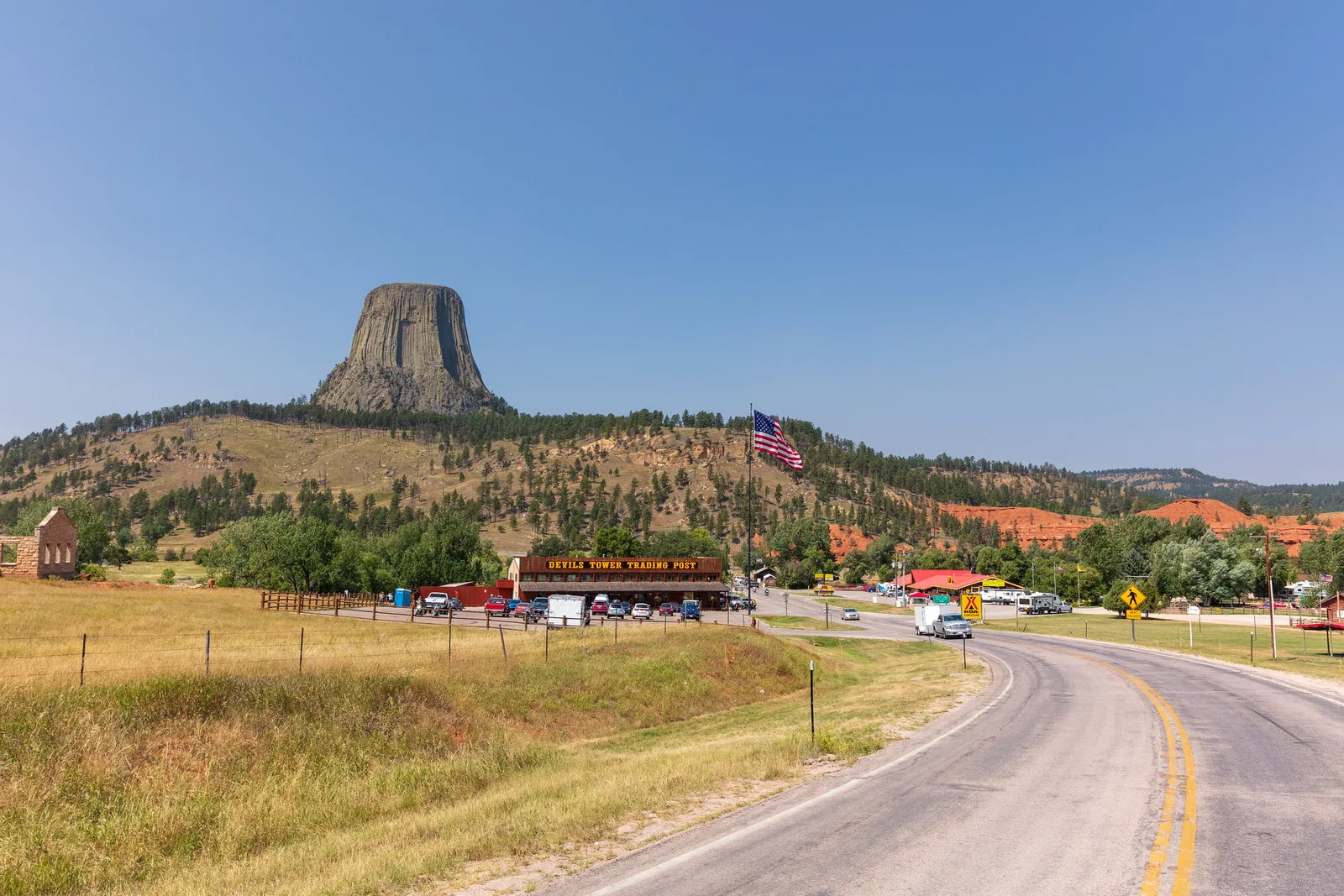
On open land, a single object stands out: a lone tree, a windmill, an old barn, a grain elevator, a fence post or a distant rock formation. These subjects give the eye a place to rest and give scale to the vast space around them. Place them off center and leave plenty of empty space. The guide to minimalist photography explains how to use emptiness in a composition.
Storms and weather
Prairies are famous for their weather. Towering thunderheads, shelf clouds, rain curtains, rainbows and lightning can be seen from many miles away, making open country one of the best places to photograph storms. Even a passing shower can bring dramatic light, with sunbeams breaking through dark clouds over golden grass.
Storms are dangerous, though. Lightning can strike far from a storm, and open land offers no shelter. Watch the forecast, keep your distance, photograph from a safe place such as a hard-topped vehicle and leave well before a storm arrives. Never stand in an open field with a tripod during lightning. The guide to storm photography covers safety and technique in detail.
Curious about photographing lightning safely? The guide on how to photograph lightning explains settings, timing and safe distances.
Light through the day
On open prairie, the quality of light changes everything. Sunrise and sunset are often spectacular, with color spreading across the whole sky and long, warm light skimming across the grass. Because there is nothing to block it, the light reaches the land the moment the sun appears and lingers until the sun disappears.
Midday light is flat and harsh on grasslands, with little shadow to show shape. It can still work for bold, graphic pictures of clouds against a deep blue sky, especially with a polarizing filter. Overcast days give soft, even light that suits subtle colors and textures. Blue hour, just before sunrise and after sunset, turns the whole landscape cool and quiet. The guide to golden hour photography explains how to plan around the best light.
Balancing bright skies
Bright skies above darker land can be hard to expose. Expose for the sky to keep detail in the clouds, and lift the land a little when editing. A graduated neutral density filter darkens the sky while leaving the land untouched, and it works especially well with flat prairie horizons. The guide on how to use graduated neutral density filters explains how.
Wildflowers and seasons
Many prairies bloom with wildflowers in spring and summer, turning green land into carpets of purple, yellow, orange and white. Get low to photograph flowers as foreground against the wide land and sky, or move close for detailed portraits of individual blooms. The guide on how to photograph flowers covers close-up technique.
Each season brings a different prairie. Spring brings fresh green grass and new flowers. Summer brings tall grass, storms and long evenings. Autumn turns grasses gold, red and bronze, often with migrating birds overhead. Winter covers the plains with snow, creating clean, minimal scenes of white land and pale sky. Revisiting the same place through the year shows how much the land changes, and a set of four pictures from one viewpoint, one for each season, makes a simple and satisfying project.
Wildlife on the grasslands
Grasslands are home to many animals, from grazing herds and pronghorn to prairie dogs, hawks, owls, songbirds and insects. Large animals stand out clearly against open land, while smaller creatures hide among the grasses.
Use a telephoto lens and keep your distance. Watch at dawn and dusk, when many animals are most active. Look for birds perched on fence posts, which make classic prairie pictures, and for animals small in the landscape under a big sky. The guide to bison photography covers one of the most iconic grassland animals, and the guide to wildlife photography covers fieldcraft for many species.
Farms, roads and human traces
Many grasslands are farmed or ranched, and human traces add story to the landscape. Grain elevators, red barns, windmills, hay bales, fence lines, rows of crops and long straight roads stretching to the horizon all speak of life on the plains.
A road running straight to the horizon is one of the classic prairie pictures. Stand safely at the side of a quiet road, center the vanishing point and let the lines lead the eye. A lone farmhouse under a huge sky shows both isolation and home. Respect private land, stay on public roads and ask permission before entering fields. The guide to road trip photography has ideas for photographing along the way.
Small prairie towns, with their main streets, water towers and grain elevators rising above the flat land, are worth a stop, too. Early morning light on a tall elevator, seen from a quiet road on the edge of town, can be as striking as any natural landmark.
Night skies
Far from city lights, prairies offer some of the darkest skies and widest horizons for night photography. The Milky Way rising over grassland, star trails circling above a lone tree or a farmhouse glowing under the stars make beautiful pictures.
Use a tripod, a wide lens at its widest aperture and shutter speeds of 15 to 25 seconds for stars. Check moon phases and pick a dark night for the Milky Way. Include something on the horizon, such as a tree, windmill or barn, to give the sky scale and context. The guide to astrophotography explains settings in detail.
Ready to try longer exposures under the stars? The guide to star trail photography explains how to capture circling stars.
Panoramas and wide views
Sometimes a single frame cannot hold the width of the prairie. Panoramas, made by stitching several overlapping pictures together, capture the sweep of a horizon, a storm front stretching across the sky or a long line of hills. They suit grasslands perfectly, since the land is often wide rather than tall.
Use a tripod if you can and keep the camera level as you turn. Set exposure, focus and white balance manually so they stay the same in every frame, and overlap each picture by about a third. Turn the camera to a vertical orientation for more height in the finished panorama. Most editing software can stitch the frames automatically. A panorama of a sunset sky over open plains or a storm cell spread across the horizon can be printed large and still feel spacious. Keep it simple, though, since a wide picture still needs a clear focal point, such as a lone tree, a farmhouse or a bright patch of sky.
Settings for prairies
- Landscapes: aperture f/8 to f/11, ISO 100, tripod in low light.
- Grass in wind: 1/500 second to freeze, 1/15 second or slower to blur.
- Wildlife: 1/500 to 1/1000 second, continuous autofocus and a telephoto lens.
- Night skies: widest aperture, ISO 1600 to 3200, 15 to 25 seconds.
- Lens: a wide angle for big skies, a telephoto for compressed layers and wildlife.
- Filters: a polarizer for blue skies and a graduated filter for bright horizons.
Editing prairie photos
Keep edits subtle and natural. Level the horizon, balance bright sky and darker land and add a little contrast to bring out clouds. Watch green and gold tones, since grass can easily look too saturated. A gentle vignette can draw the eye toward the center of a wide scene, but avoid heavy effects that make simple landscapes look artificial. Dust spots show clearly against plain skies, so check for them and remove them before sharing.
Need a step by step routine for landscapes? The guide to editing landscape photos walks through the main adjustments.
Common mistakes
- Horizon in the middle every time. Move it low for skies or high for land.
- Tilted horizons. Use the level or grid to keep flat land flat.
- Empty pictures with no focal point. Find a tree, fence, barn or flower to anchor the scene.
- Shooting only at midday. Come back at sunrise, sunset or during dramatic weather.
- Blown out skies. Expose for the sky and lift the land later, or use a graduated filter.
- Getting too close to storms. Stay safe and leave well before a storm arrives.
- Trespassing on farmland. Stay on public roads and ask permission.
Try this: a 10-minute prairie study
Find a stretch of open grassland or farmland and give yourself ten minutes:
- Minutes one to three: make one picture with the horizon very low and the sky filling most of the frame.
- Minutes four to seven: get down low in the grass and make one picture with grass or flowers as a strong foreground.
- Minutes eight to ten: find a single subject, such as a tree, fence post or barn, and make one minimal picture with lots of empty space around it.
At home, compare the three. Each shows a different side of the same open landscape.
Frequently asked questions
How do I make flat prairie landscapes interesting?
Use dramatic skies, low horizons, strong foregrounds and single subjects such as trees or barns, and shoot in early or late light.
What lens is best for prairie photography?
A wide angle lens captures big skies, while a telephoto compresses layers of land and photographs wildlife from a distance.
When is the best time to photograph prairies?
Sunrise, sunset and stormy weather bring the most dramatic light. Spring and summer bring wildflowers, autumn brings golden grass.
How do I photograph grass moving in the wind?
Use a slow shutter speed, around 1/15 second or slower, with the camera on a tripod, so the grass blurs while the land stays sharp.
Is it safe to photograph storms on the prairie?
Only from a safe distance and a safe place, such as a hard-topped vehicle. Leave well before a storm arrives and never stand in open fields during lightning.
What should I bring to photograph prairies?
Water, sun protection, a wind resistant jacket and a sturdy tripod. Wind is constant on open land, so a heavy tripod or a bag hung from its center keeps it steady.
For terms such as graduated filter, polarizing filter, rule of thirds and depth of field, see the photography glossary.