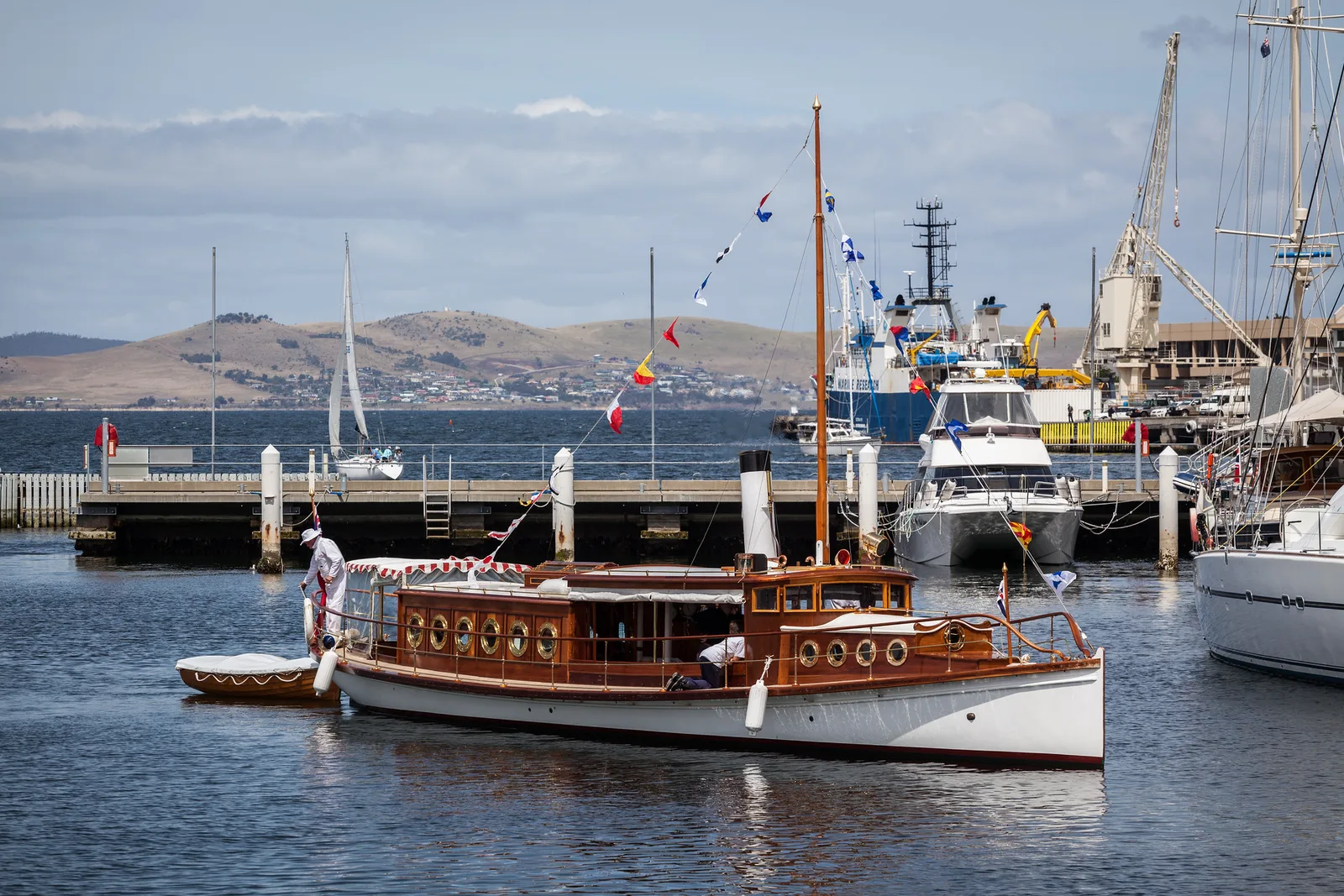
Harbors are some of the most photogenic places on any coast or lake. Boats rock gently at their moorings, ropes and nets lie coiled on docks, gulls wheel overhead and the water reflects every color of the sky. Whether it is a busy fishing port, a quiet marina or a single rowboat pulled up on a beach, boats and the places they rest offer endless pictures.
This guide covers when to visit, how to use calm water and reflections, how to photograph boats on their own and in their setting, the details that make a harbor feel real, working harbors and the people in them, moving boats and how to stay safe around docks and water. For the wider coast, see the guide to seascape photography.
Why boats and harbors make good subjects
Boats are designed to be beautiful as well as useful. Their curved hulls, bright paint and varnished wood are a pleasure to photograph, and harbors add a setting full of life and detail.
- Color. Fishing boats are often painted in bold colors, and marinas fill with white hulls, colored flags and reflections.
- Shape. Hulls, masts and rigging make elegant curves and strong lines.
- Water. Calm harbor water reflects boats and sky, doubling every subject.
- Story. Working harbors are full of people, routines and tools, from fishermen mending nets to ferries arriving and leaving.
- Light. Harbors usually face open water, so they catch sunrise or sunset light beautifully.
Harbors are also easy places to practice. Boats stay still for long periods, docks give you many viewpoints, and there is almost always something happening.
Every harbor has its own personality. A fishing port smells of salt and diesel and is busy before dawn. A marina is tidy, bright and full of leisure. A small cove with a few rowboats is quiet and timeless. Before you start, take a slow walk and decide which of these stories you want to tell, then look for the pictures that show it.
When to visit a harbor
Time of day changes both the light and the life of a harbor.
- Dawn. Fishing harbors are often busiest early, as boats head out. Water is usually calmest at first light, giving the best reflections. The guide to sunrise photography covers early light.
- Morning return. In many fishing ports, boats come back with the catch later in the morning, and docks fill with activity.
- Midday. Light is harsh, but boats and bright paint can still look bold. Look for details and shadows.
- Evening and blue hour. Warm light glows on hulls, and as the sky deepens, harbor lights reflect in the water. The guide to blue hour photography explains this short window.
- Fog and mist. Misty mornings turn moored boats into soft, quiet shapes. See the guide to fog photography.
Tides matter too. In tidal harbors, boats sit high at the dock at high water and may rest on mud or sand at low water. Both make good pictures, but they look very different. The page on planning around the sun, moon and tides explains how to check.
Calm water and reflections
Still harbor water is a gift. It mirrors boats, buildings and sky, and turns a simple scene into a symmetrical picture.
- Go early. Wind usually rises during the day, so the calmest water is often at dawn.
- Get low. Shooting from close to the water line makes reflections larger and more dramatic.
- Look for color. A brightly painted hull reflected in dark water makes a strong, simple picture.
- Use ripples. When the water moves a little, reflections break into wavy patterns that can be beautiful on their own. Fill the frame with them for an abstract picture.
- Control glare. A polarizing filter can cut glare on the water, but it can also remove reflections. Turn it while watching the effect.
The guide to reflection photography explains how to compose with mirrored scenes.
Want to smooth harbor water into a glassy surface? The guide to long exposure photography explains slow shutter speeds and filters.
Photographing a single boat
A single boat can make a picture full of character, like the varnished launch at the top of this page.
- Choose a boat with character: bright paint, old wood, an interesting name or a shape you like.
- Walk around it. From the dock, the bow, the side and the stern all look different. A three-quarter view from the bow often shows the shape best.
- Simplify the background. Move until the boat sits against open water, a plain wall or the sky, rather than a jumble of masts.
- Give it space. A small boat on a wide stretch of water feels peaceful. The guide to negative space explains why.
- Look down. From a high dock or bridge, a boat seen from above becomes a graphic shape on the water.
Boat names are worth a moment of thought. A name painted on a bow often hints at the owner’s hopes, family or sense of humor, and including it in the frame adds a small story to the picture. A tight crop of the name and the weathered paint around it can stand alone as a detail.
Boats in their setting
Wider pictures show how boats belong to a place.
- Show the whole harbor. A high viewpoint, such as a hill, a seawall or the end of a pier, shows rows of boats, buildings and water together.
- Include the town. Colorful waterfront houses, warehouses or a lighthouse behind the boats tell the viewer where they are.
- Use patterns. Rows of masts, hulls lined up at a marina and boats moored in a line create rhythm. The guide to patterns and repetition covers this.
- Use foreground. Ropes, bollards, a coiled line or a dock edge in the foreground add depth to a harbor view. See foreground interest.
- Show boats on shore. Rowboats pulled up on a beach, boats on trailers and hulls in dry dock all show a different side of boat life.
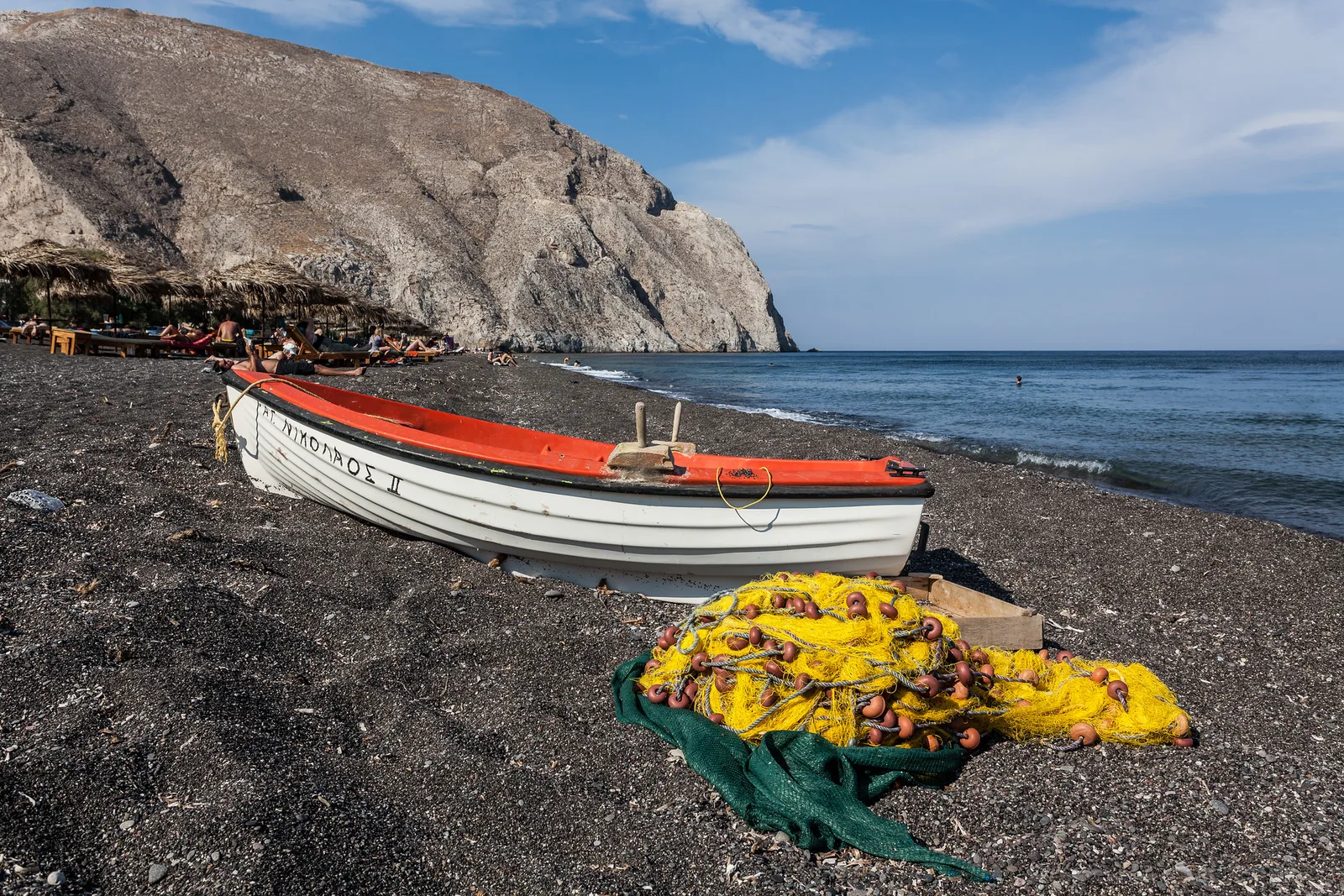
The second photo on this page shows a boat out of the water entirely. Pulled up on a black sand beach with its nets beside it and a cliff behind, it says as much about the place as any harbor view. Boats on shore are easy to photograph slowly, because they do not move, and they often sit in interesting places.
Details on the dock
A harbor is full of small things that make good pictures on their own and add texture to a set.
- Ropes and knots. Coiled lines, tied knots and ropes stretched taut to bollards make strong lines and textures.
- Nets and floats. Piles of fishing nets and bright floats, like the yellow nets in the second photo on this page, are colorful and full of pattern.
- Names and numbers. Painted boat names, registration numbers and home ports are full of character and lettering.
- Weathered wood and paint. Peeling hulls, rusted chains and worn decks show the age and work of a boat. Side light brings out their texture.
- Reflections of details. A single rope or mast reflected in the water can become an abstract picture.
Working harbors and people
Fishing ports and working harbors are full of activity. Photographing people at work brings a harbor to life.
- Be respectful. Docks are workplaces. Stay out of the way of crews unloading, ropes being thrown and vehicles moving.
- Ask first before making close portraits. A friendly chat often leads to good pictures and interesting stories.
- Photograph routines: mending nets, unloading the catch, washing decks, tying up.
- Look for hands and tools. Close pictures of hands working with rope or nets tell a story without showing faces.
- Visit the market. Fish markets beside harbors are full of color, ice and movement, but ask before photographing stalls.
The guide to documentary photography has more on photographing people at work over time.
If you visit the same harbor several times, people will start to recognize you. That familiarity often leads to more relaxed pictures and to invitations to see parts of the harbor that visitors rarely reach.
Moving boats
Boats moving through a harbor or across open water need different settings.
- Freeze the action. Use 1/500 or faster for boats moving quickly, such as ferries and speedboats, especially with spray.
- Show the wake. A boat’s wake creates curves and lines on the water. A higher viewpoint shows it best.
- Pan with slow boats. A slower shutter speed while following a boat blurs the water and background. The guide to panning explains how.
- Use a longer lens. A telephoto lens brings distant boats closer and compresses them against coastlines and towns. See the telephoto lens guide.
- Sailboats. Sails catch light beautifully. Backlit sails glow, and a row of sails at a race makes a strong pattern.
Photographing from a boat
Ferries, tour boats and small boats give you a view of the harbor from the water.
- Use a fast shutter speed. Boats move and rock, so 1/500 or faster keeps pictures sharp.
- Brace yourself, not the camera, against a rail. Rails vibrate with the engine.
- Keep the horizon level. Boats tilt, and so will your pictures. Straighten in editing if needed.
- Protect your gear from spray and salt, and wipe it with a slightly damp cloth afterward.
- Look back at the harbor as you leave, for a view of the town from the water.
Heading out on the water with your camera? The guide to bad weather photography explains how to protect gear from spray, rain and wind.
Harbors through the seasons and weather
A harbor changes character with the seasons, and some of its best moods come in weather that keeps other people indoors.
- Summer fills marinas with sailboats, visitors and color. Long evenings give extra time for golden light and blue hour, but midday haze can soften distant views.
- Autumn and spring bring changeable skies, dramatic clouds and quieter docks. Working boats are often busier as fishing seasons open and close.
- Winter empties many marinas. Boats are wrapped, hauled out or lined up on land, and frost or snow on decks makes quiet, graphic pictures.
- Storms bring waves crashing against harbor walls and boats straining at their lines. Photograph from a safe, sheltered place, never from an exposed seawall.
- Rain gives docks a shine and makes painted hulls look richer. Wet planks and puddles reflect harbor lights at dusk.
Returning to one harbor in different seasons is a rewarding small project. The same row of boats in summer sun, autumn fog and winter frost makes a set that shows the rhythm of the year on the water.
Curious about photographing water more broadly? The guide to seascape photography covers waves, tides and shutter speeds on the open coast.
Safety on docks and waterfronts
- Watch your feet. Docks are often wet, slippery and crossed with ropes. Look down before you step back for a wider frame.
- Stay out of restricted areas. Working docks and private marinas may not allow visitors. Follow signs and ask if unsure.
- Keep a strap on the camera. A dropped camera near water is usually lost.
- Be careful at the edge. Do not lean over the water for a picture, and keep children and pets away from dock edges.
Common mistakes
- A cluttered background. Masts and boats overlap into a tangle. Fix: move until your subject sits against open water or sky.
- Wind ruining reflections. Fix: go at dawn, when water is calmest.
- Tilted horizons. Fix: use the grid and straighten in editing.
- Getting in the way. Fix: stay clear of working crews and moving boats.
- Only wide views. Fix: add details such as ropes, names and nets.
- Salt on gear. Fix: wipe your camera and lens after a day near the sea.
Try this: a 10-minute harbor walk
- Minutes 1 to 2: Find a high point, such as a pier or seawall, and make one wide picture of the harbor.
- Minutes 3 to 4: Choose one boat with character and photograph it against a clean background.
- Minutes 5 to 6: Look for a reflection and get low to make it bigger.
- Minutes 7 to 8: Photograph three details: a rope, a name and a texture.
- Minutes 9 to 10: Wait for movement, such as a boat leaving, a gull landing or a person at work.
Put the pictures together and see whether they give a sense of the harbor.
Frequently asked questions
What is the best time to photograph boats?
Early morning for calm water and fishing activity, and evening or blue hour for warm light and harbor lights.
How do I get good reflections of boats?
Go on a calm morning, get low to the water and frame the boat with plenty of water below it.
Can I photograph boats in a marina?
From public areas, usually yes. Private docks may be closed to visitors, so follow signs and ask staff if you want to walk the docks.
What lens is best for harbors?
A standard zoom covers most scenes. A longer lens isolates boats and details, and a wide lens suits whole harbors and close foregrounds.
How do I photograph boats at night?
Use a tripod on a solid part of the dock, not a floating pontoon, which moves. Start in blue hour so the sky still has color, and use a low ISO with an exposure of several seconds. Harbor lights reflected in still water make the scene.
Can I photograph boats with a phone?
Yes. Phones are light and easy to carry around docks. Tap to expose for bright water or sky, use the grid to keep the horizon level and keep a firm grip near the water.
How do I make a busy marina look less cluttered?
Move closer and pick one boat, or use a longer lens to isolate a few hulls. A high viewpoint can turn the clutter into a pattern of shapes and colors.
How do I protect my camera near salt water?
Keep it in a bag when not in use, avoid changing lenses in spray and wipe the body and lens with a slightly damp cloth afterward, then dry it.
For terms such as reflection, polarizing filter, long exposure and panning, see the photography glossary.